


Natasha Bucheit
Field Notes - A Graduate Exhibition

Follow:








Awards
Work Description
My practice reflects an interest in systems of image-production and re-production, and their power to regulate our experience of the visual world. My research looks at manufacturing and artistic processes that establish set parameters for the creation of visual content. I am drawn to the way in which image-making technologies and methodologies - from screen-printing and digital arts software to color theories and design principles - influence the creative process and shape the visual environments we inhabit in everyday life.
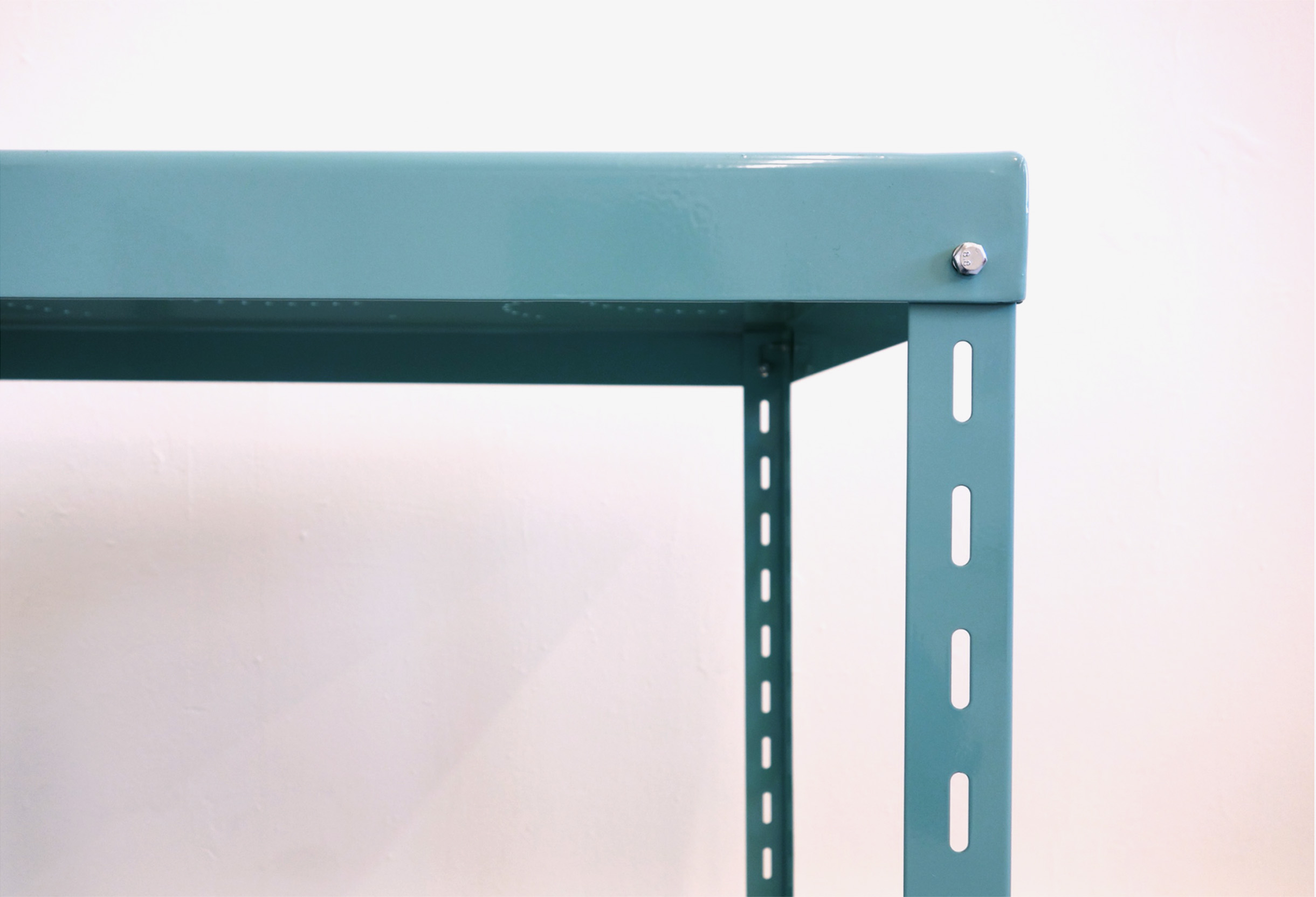
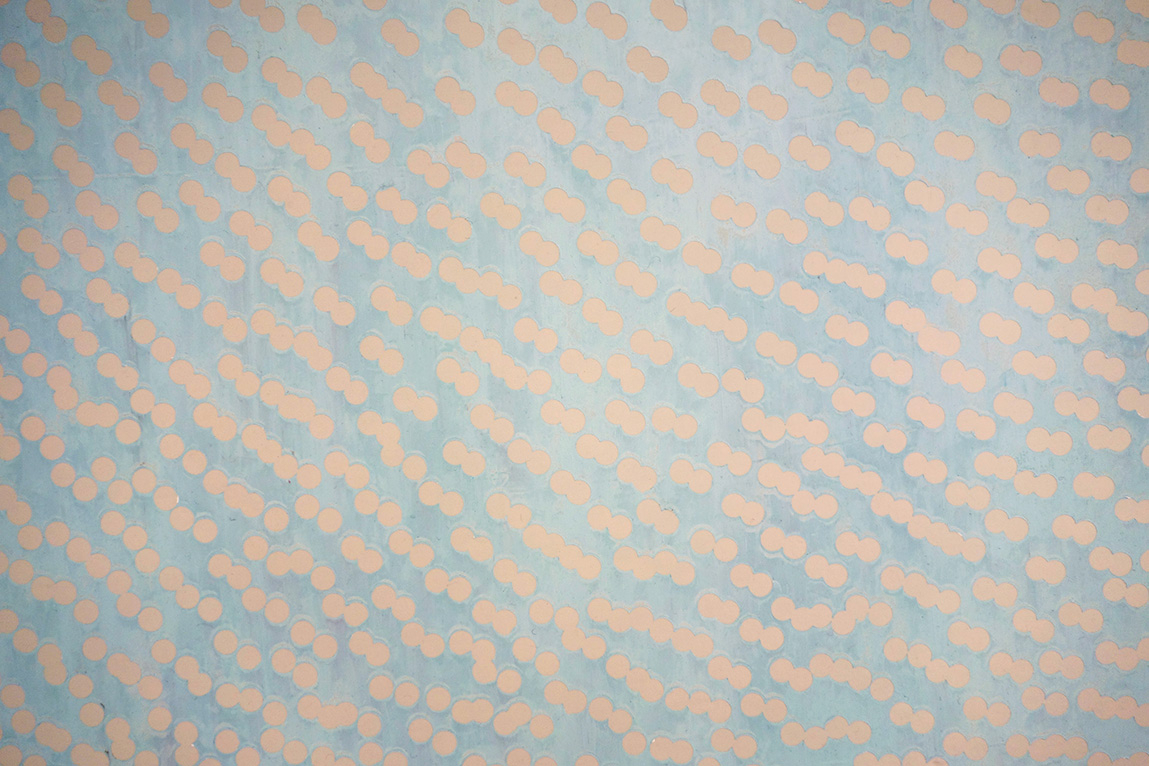
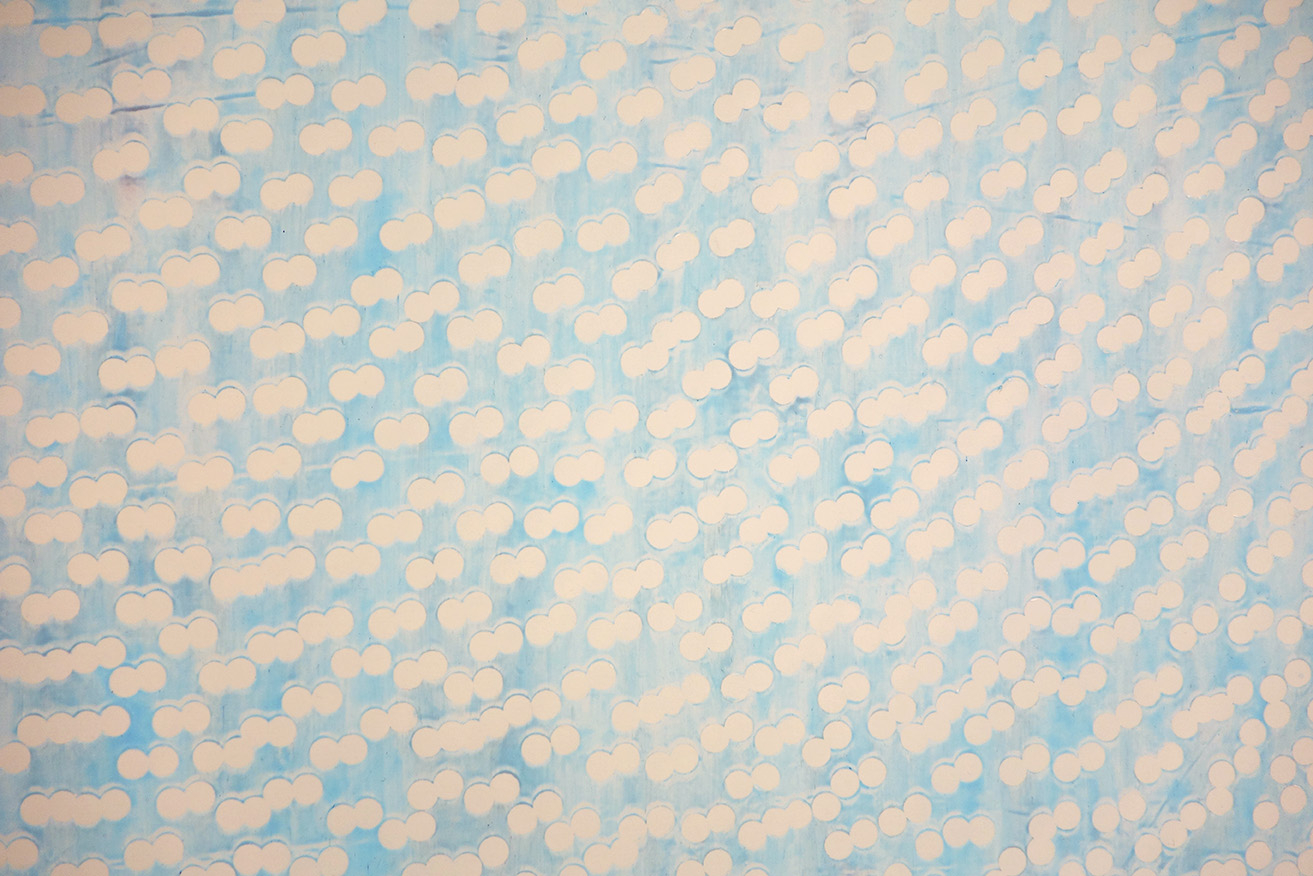
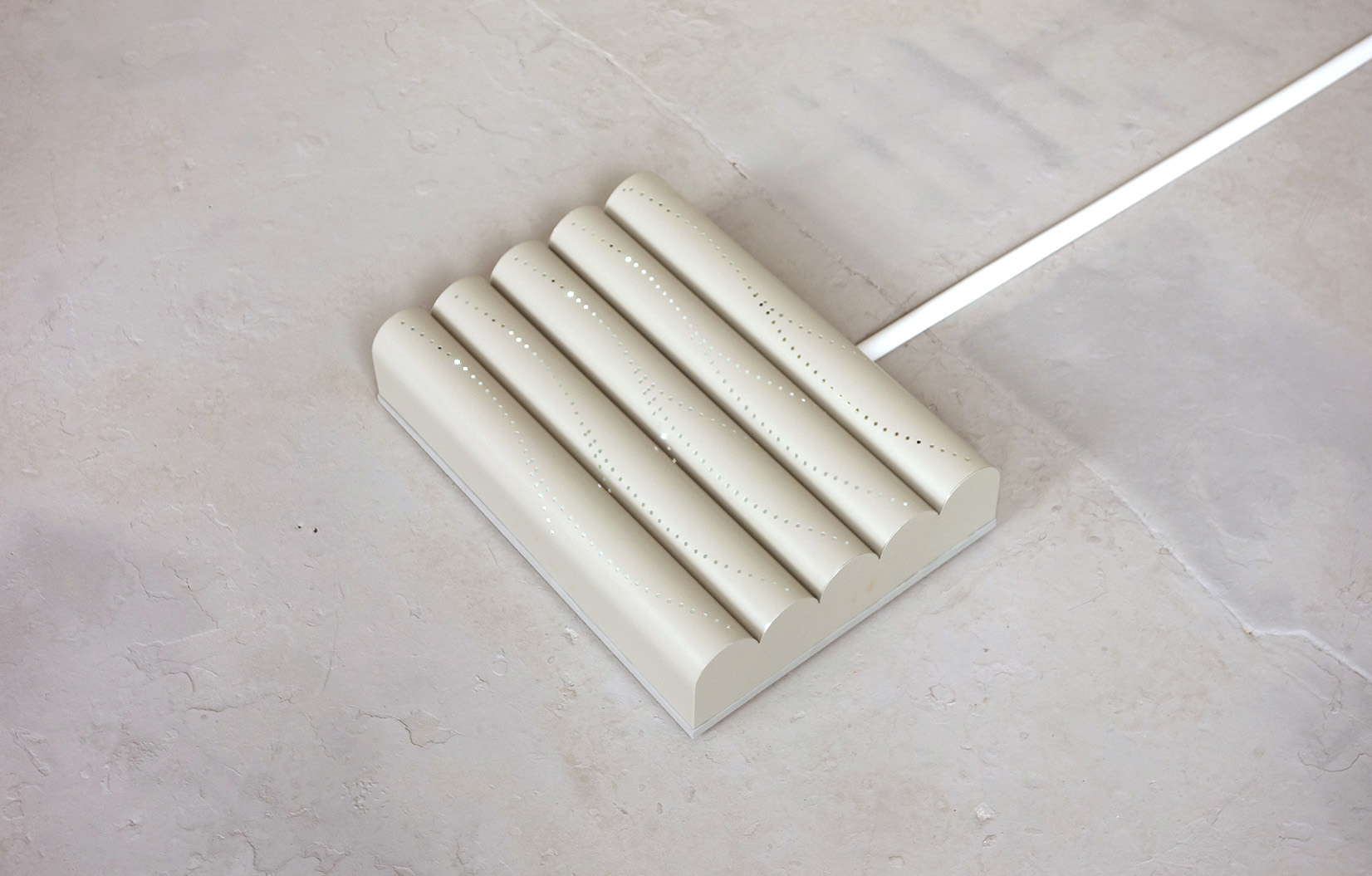
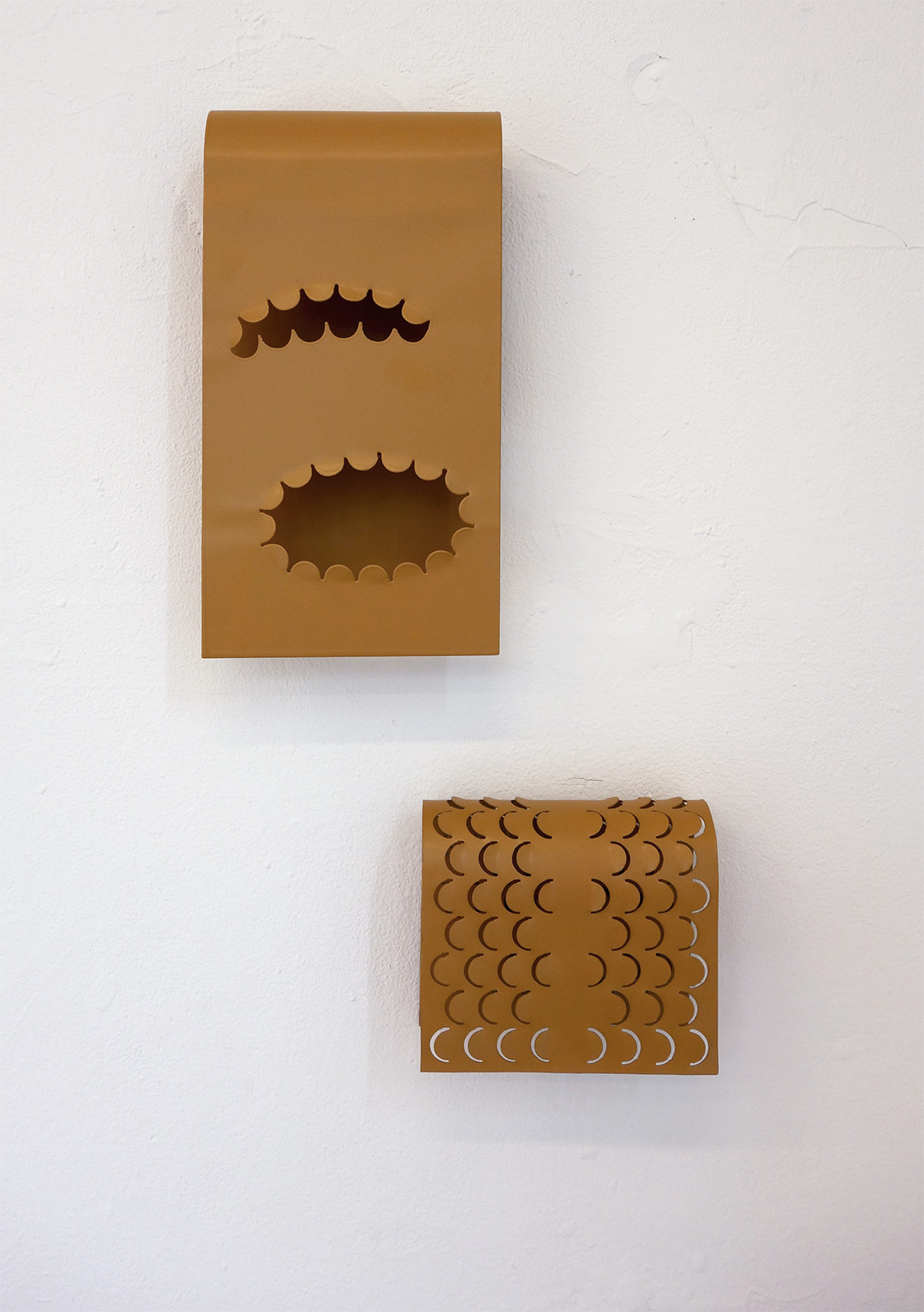
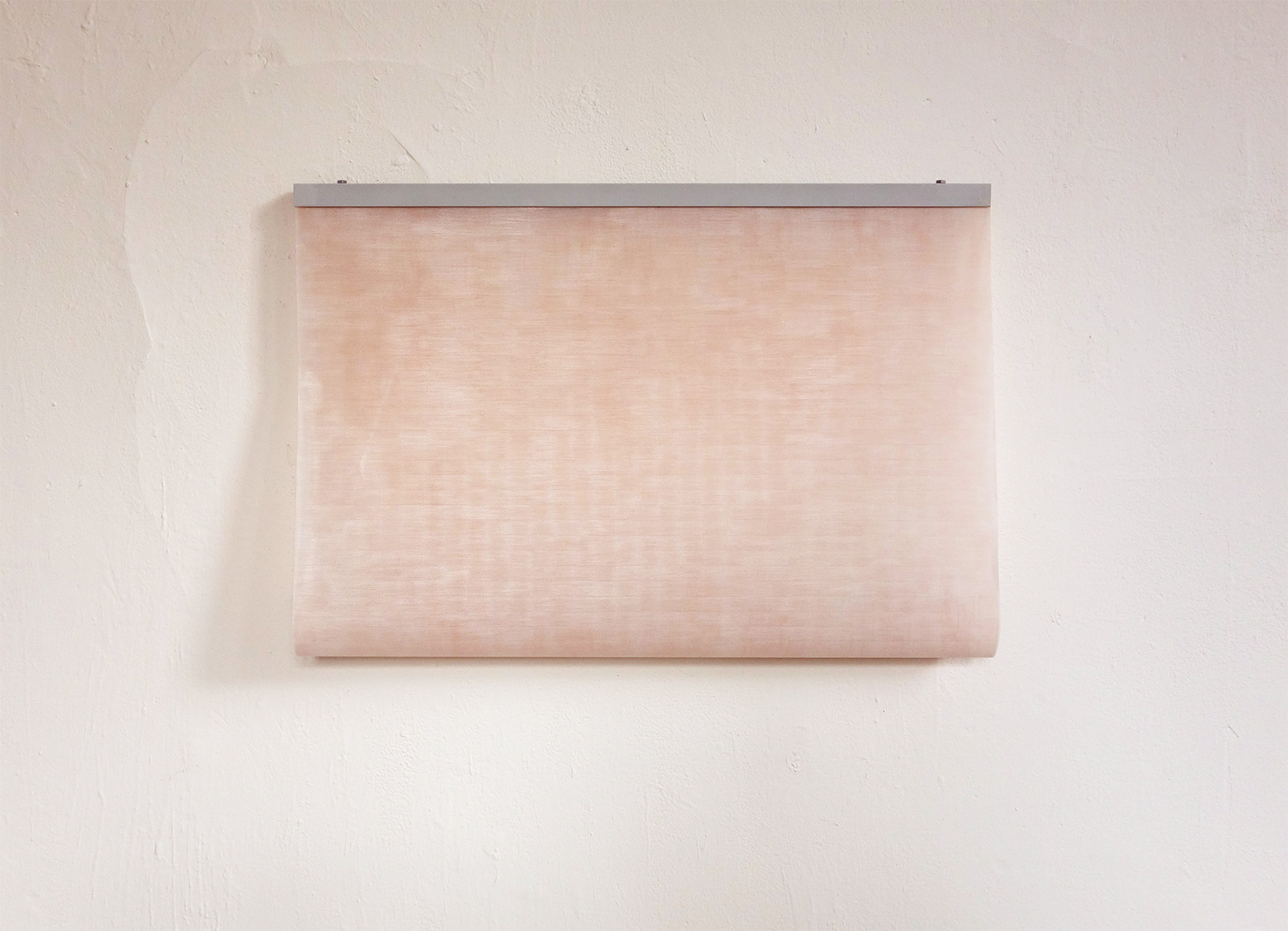
Within the parameters of minimalism, I have found a fertile ground for creativity and play. I use the circular form of the dot as a point of departure, allowing me to explore the transformation of an image through replication and scaling. Across a body of work, the dot changes in size and position to create distinct sequences and patterns in each, inviting the viewer to enter a visual space that holds in tension the goals of abstraction and referentiality. A combination of flat, curved and perforated surfaces, the work mines the potential of minimalism to counteract experiences of information and sensory overload that have become commonplace in our post-internet lives. Geometric shape, uniform planes of color and soft lighting work in concert to create a visual environment that inspires stillness and unhurried observation.
Concerns about reconciling the products of industry with those of nature are distilled in the work’s form and medium. Here, synthetic materials are combined with motifs inspired by the dynamics of plant growth and by the presence of Fibonacci ratios in organic structures. With this installation, the boundaries between industry-driven design and nature-driven design are blurred. In this sense, the work invites audiences to considers an alternative reality - one in which information exchange takes on an inter-species dimension and prioritizes plant-to-human communication.


Natasha Bucheit
Field Notes - A Graduate Exhibition
Follow:
Share:

