I am a creative and highly curious Interior Designer with an avid interest in sustainable design that places importance upon the wellbeing of the user. I am a strong advocate for positioning sustainability in mainstream design culture whilst placing social issues as a priority. I decided to challenge my design abilities in my final year of my degree by addressing an issue that often goes unnoticed.
This project included the investigation of memorialisation and how we turn to the tangible for remembrance and comfort in our grieving.
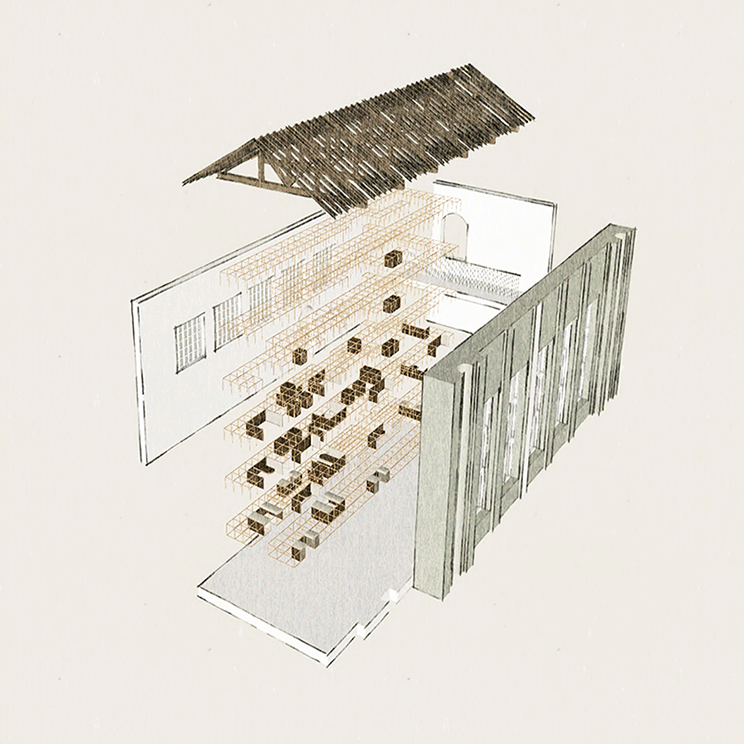
A memorial translated through the interior. A repository of names, dates and stories of loss, guide the user through moments of reflection, contemplation and understanding. Solas is for those who feel they have experienced grief as a result of pregnancy loss in the present day and/or in the past, as well as those wishing to support a loved one. The project fills a gap as such a space currently does not exist. The memorial is housed in the last remaining building of the old Royal Victoria Hospitals, Edinburgh.


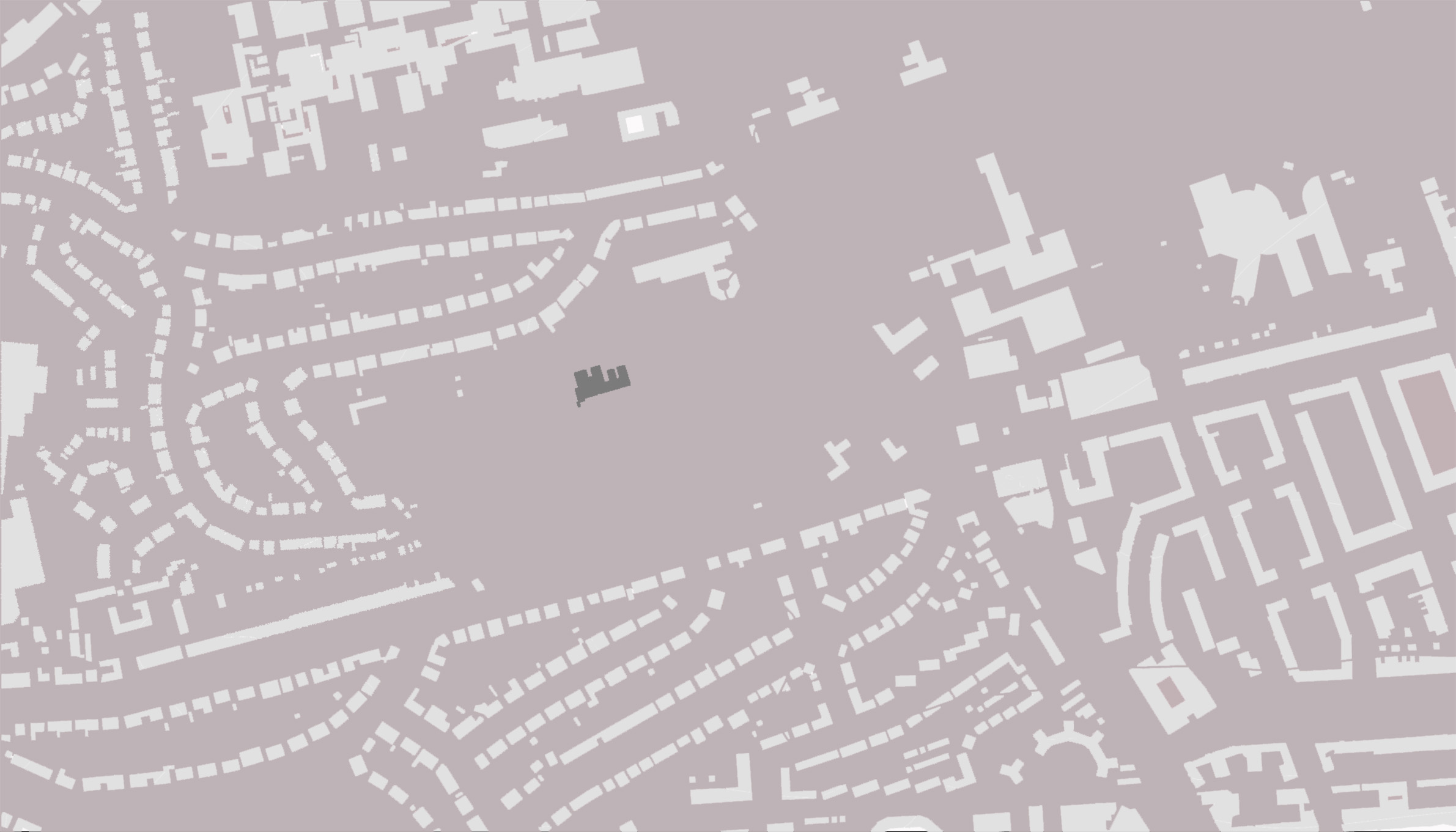
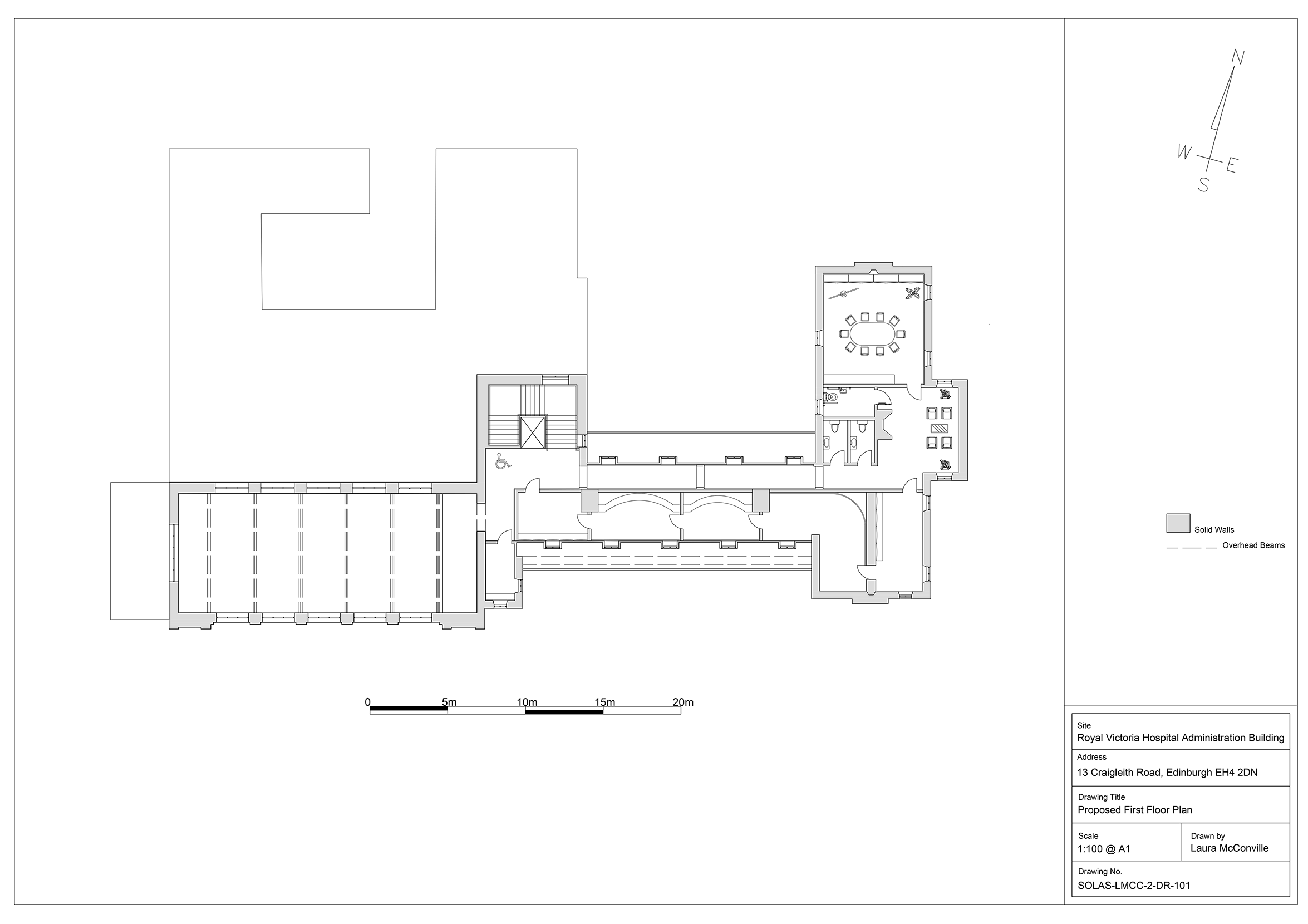
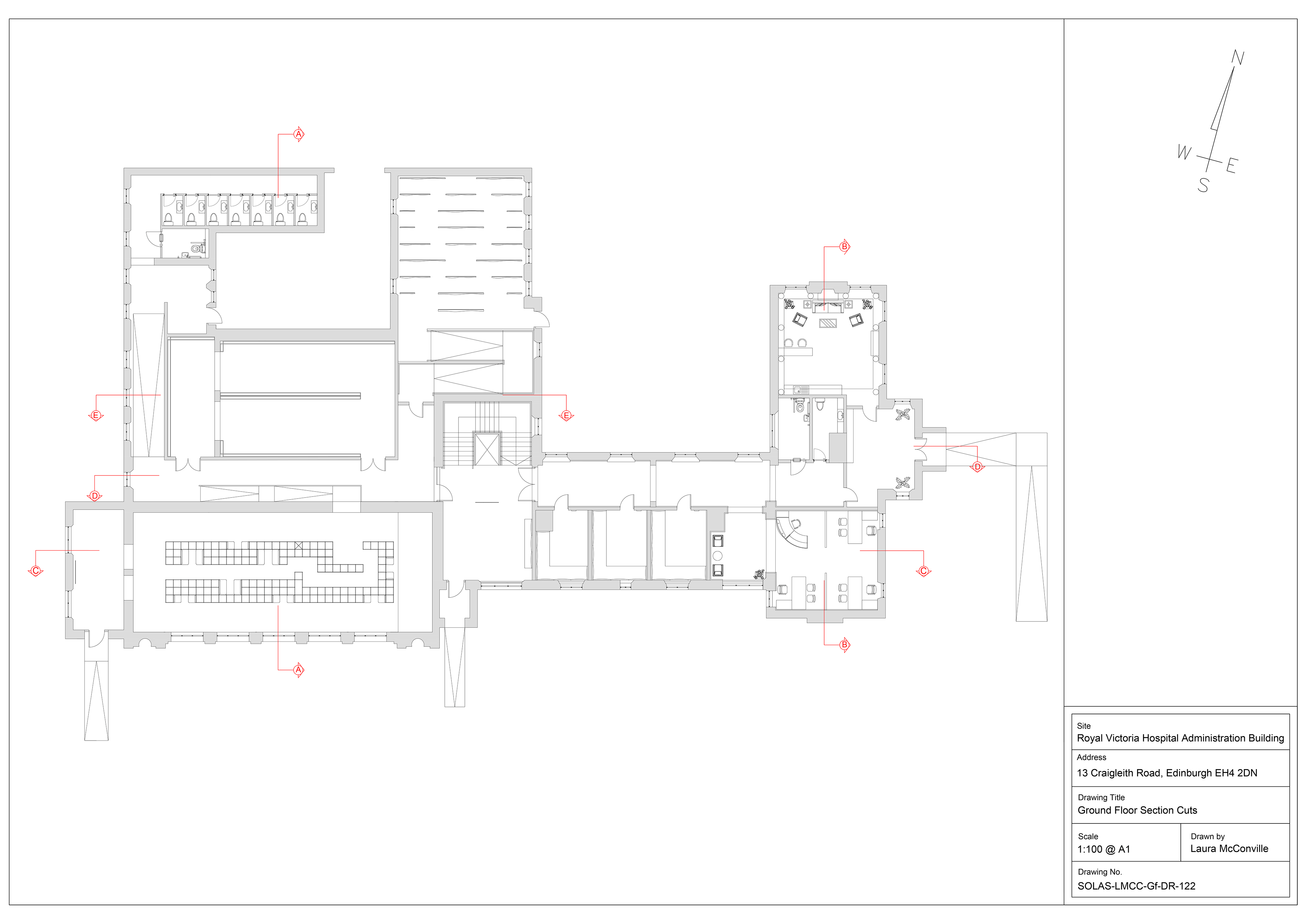
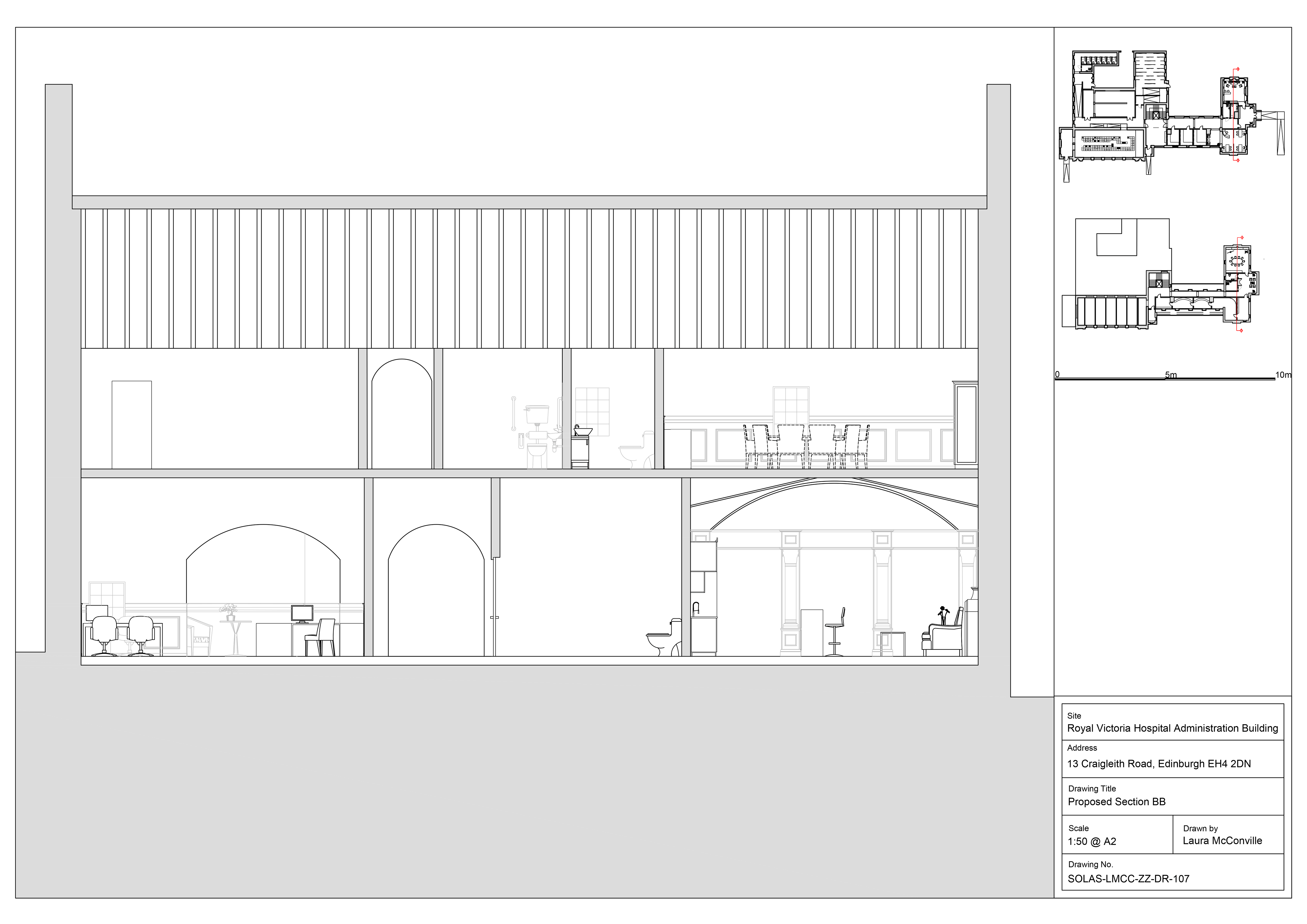
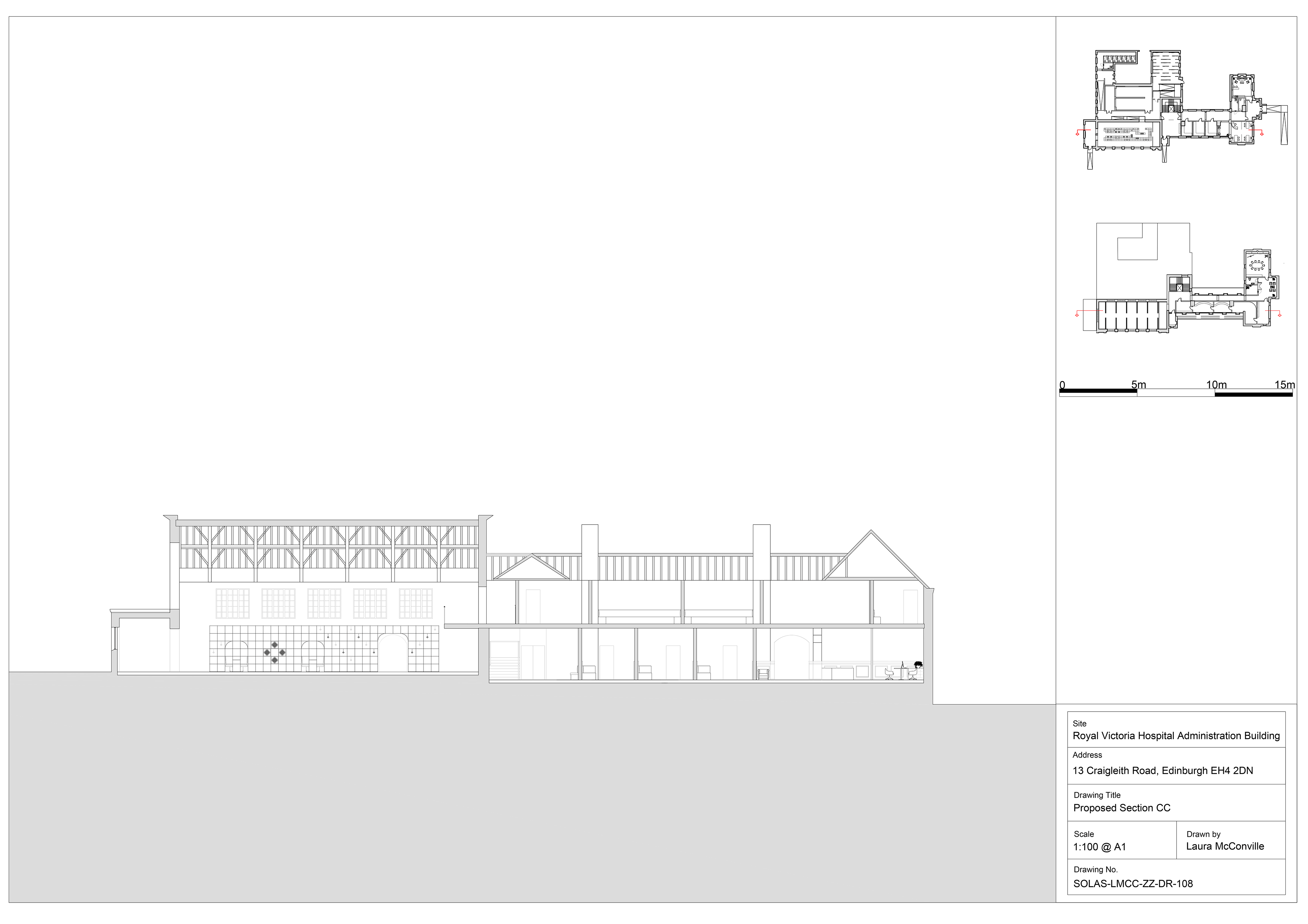
The Administration Building of the Royal Victoria Hospitals, located along Craigleith Road, is owned by NHS Lothian and is currently out of use. The site for this project is a highly distinctive building which makes free use of two different styles. The building typifies concern of late Victorians and Edwardians to treat the ill in buildings surrounded by gardens & villas rather than in obvious institutions. The Royal Victoria Hospital originally started with the renting
of Craigleith House, in 1894 by Dr Robert William Philip who was a pioneer in the treatment of tuberculosis. The house was converted to a sanatorium containing 12 beds with male and female wards split across ground and first floor. In 1899 the house and grounds were bought by Dr Philip and work began on five small sun houses built in the grounds. By 1914 further sun houses were added to cope with the ever increasing demand and a new administration block was constructed to the rear of the site.




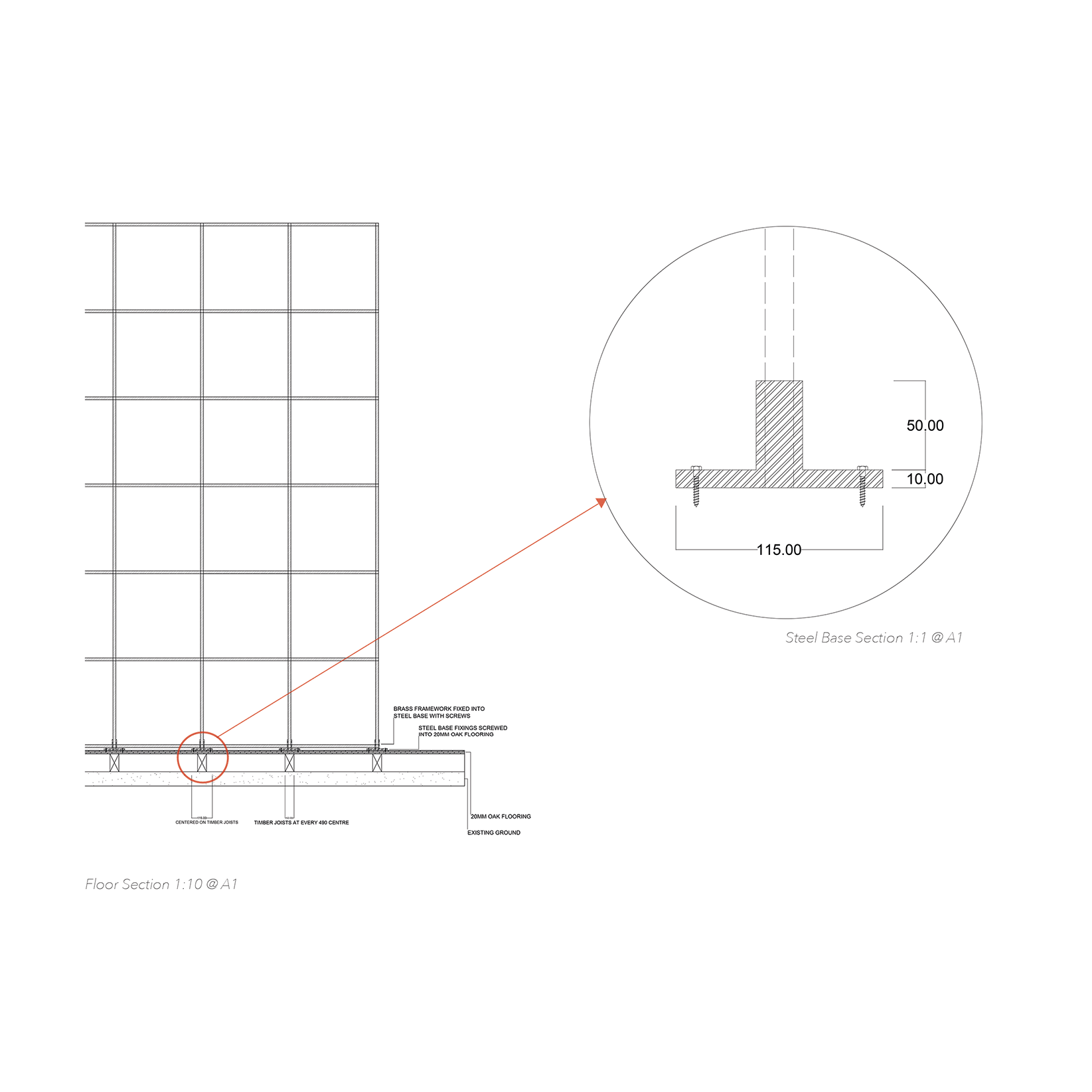
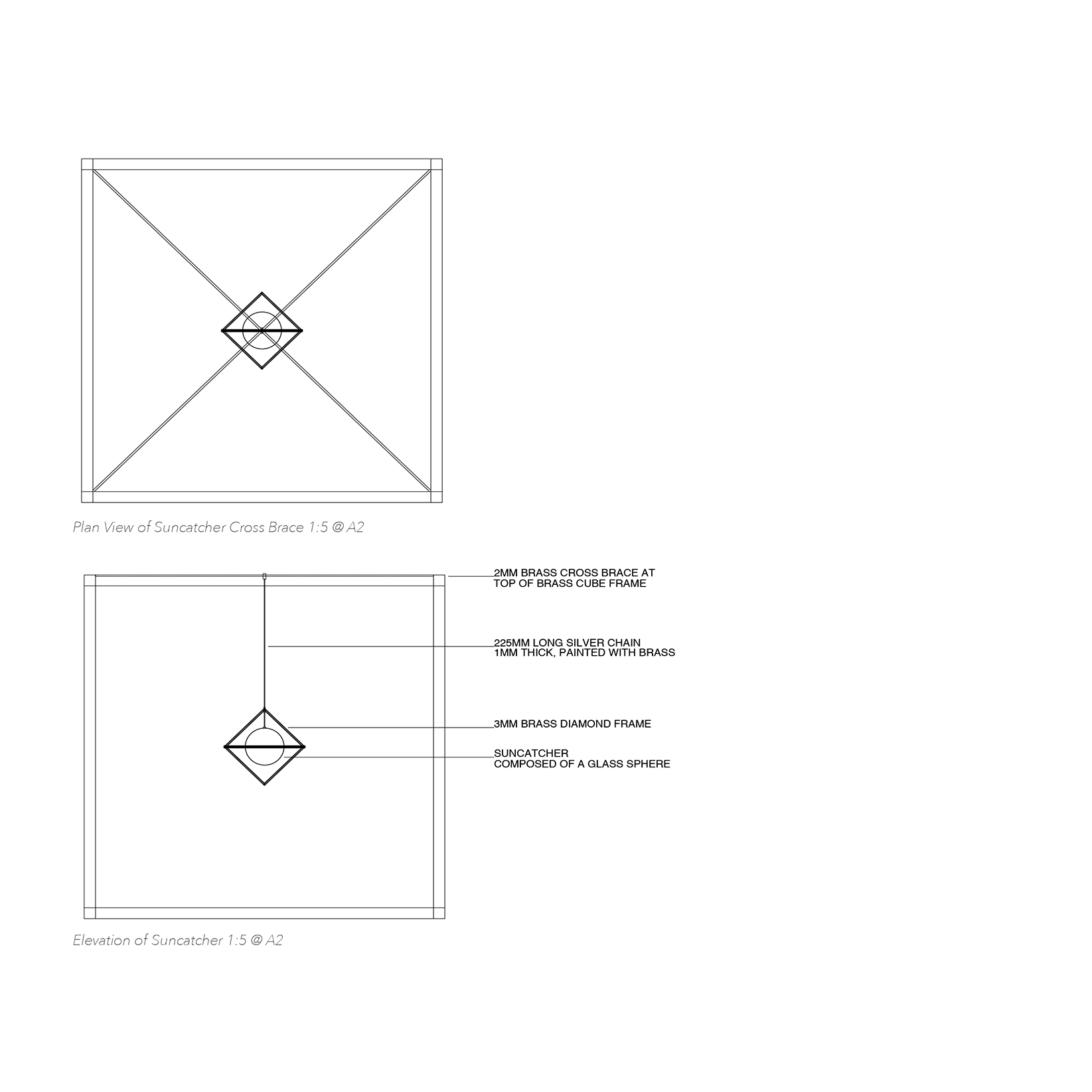
The concept behind this project is rooted in Asian culture. The repetitive brass framework holds glistening sun catchers, symbolic of split bamboo Chinese lanterns which are used to indicate a funeral. Scrolls are suggestive of how we continue to tell our stories and find it to be a means of relief whilst processing grief. Light Installations bring the visitor to a moment of solace, reminiscent of a sunset.
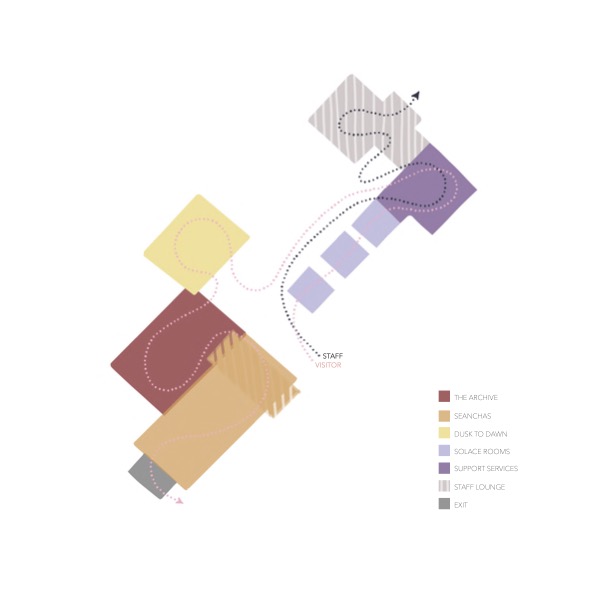

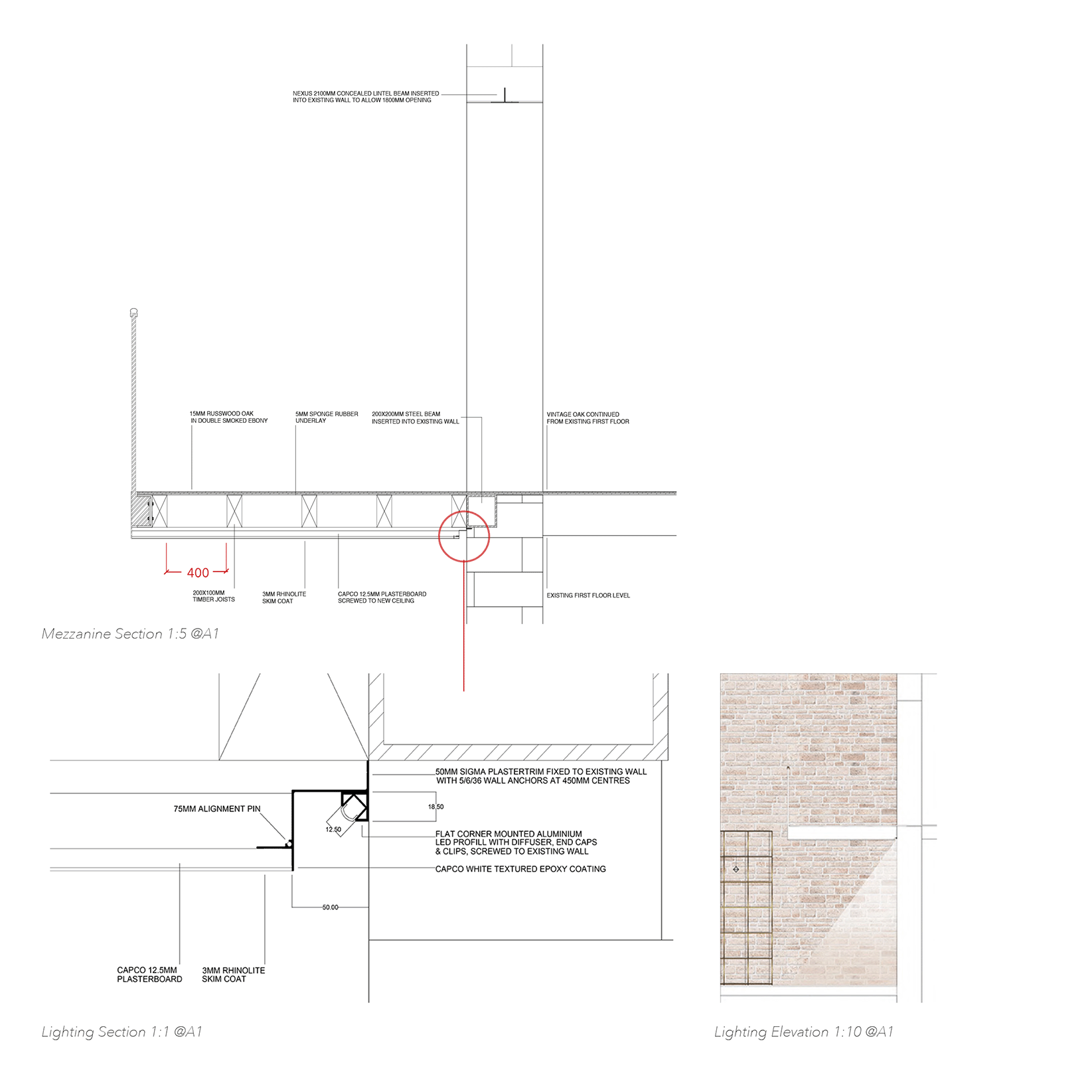
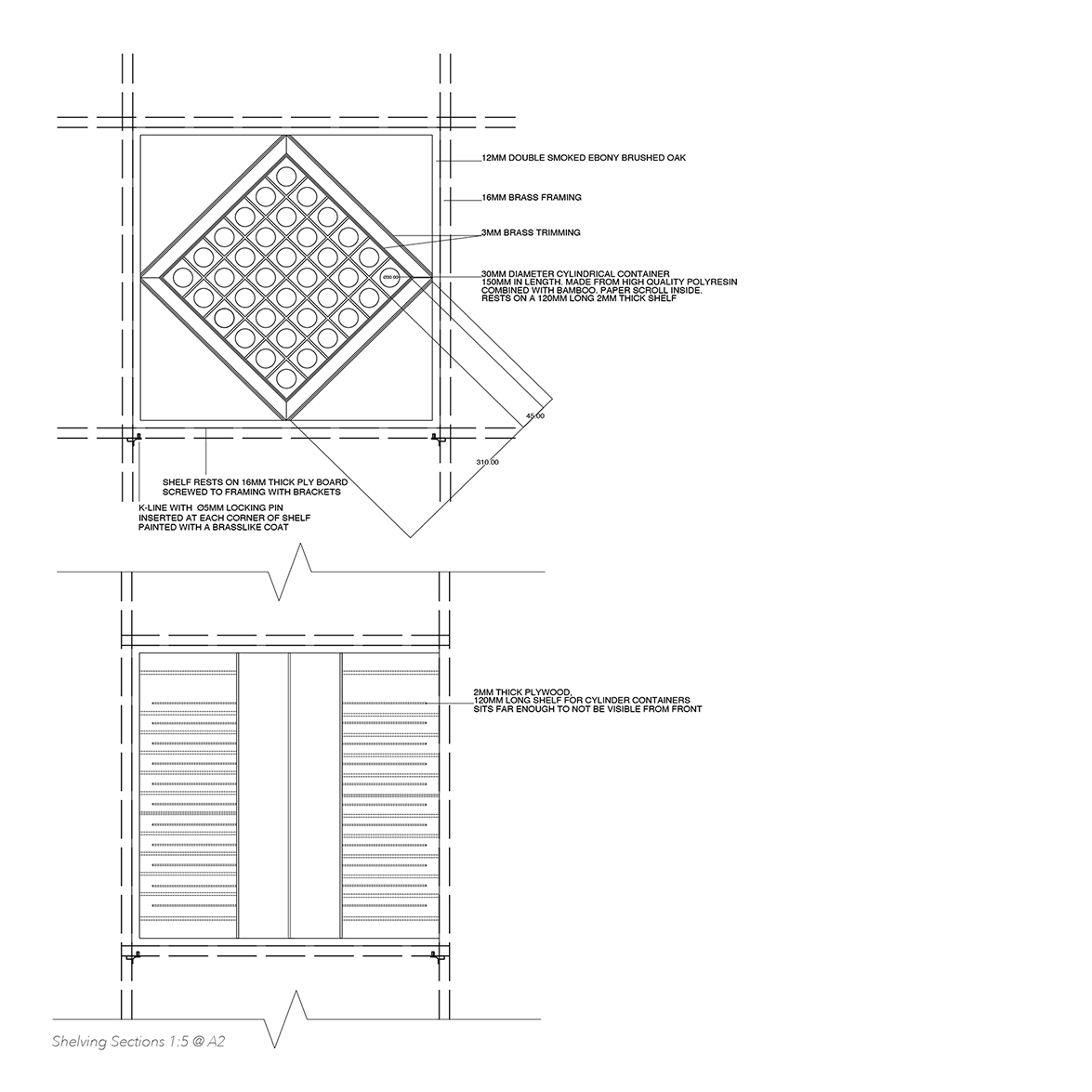
Sitting within the Main Hall of the building, I propose a guiding framework from which stories of loss are brought to light. The relationship between the objects and spectator is constantly shifting. The suncatchers held within individual diamond frames, shelving illuminating delicate cylinders of scrolls, are all integrated within the path of the viewer.
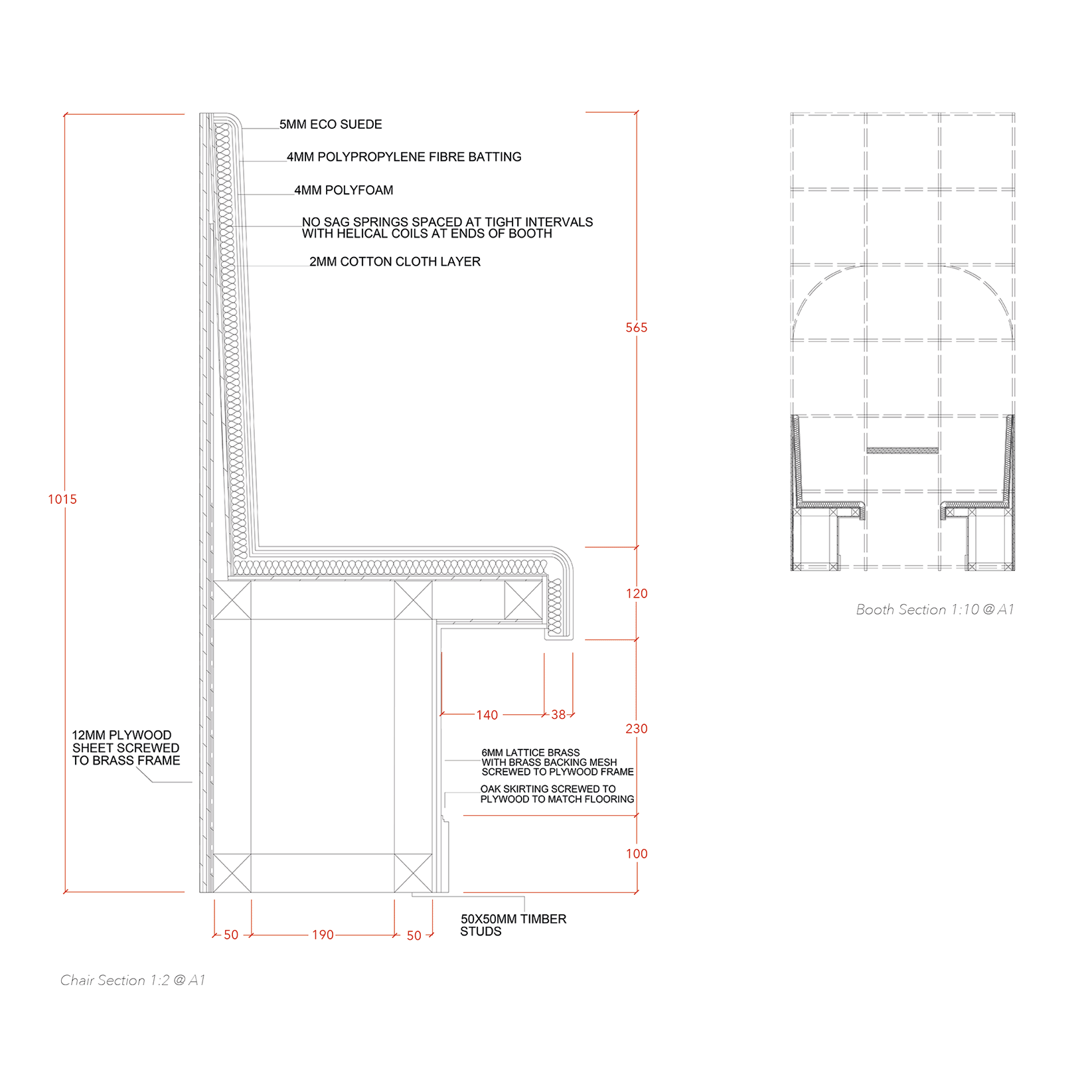
At times, the narrow and winding walkway gives the viewer a glimpse of the path ahead. In the seating areas where the framework open up, the visitor becomes embedded as part of the story. The transformation from the role of a visitor to a ‘character’ on view, allows the visitor to be immersed not only in the framework but also in the narrative.
Seanchas represents the bare bones of ones grief and the exposure we experience when we share our stories with one another. Catching glimpses of the sun throughout the day, crystal glass spheres are suggestive of the light we can capture through sharing stories of loss. What presents itself as a tangible memory of something that exists, are illuminated wooden cylinders holding a paper scroll within.
This is an acknowledgement of stories and a celebration of sharing.