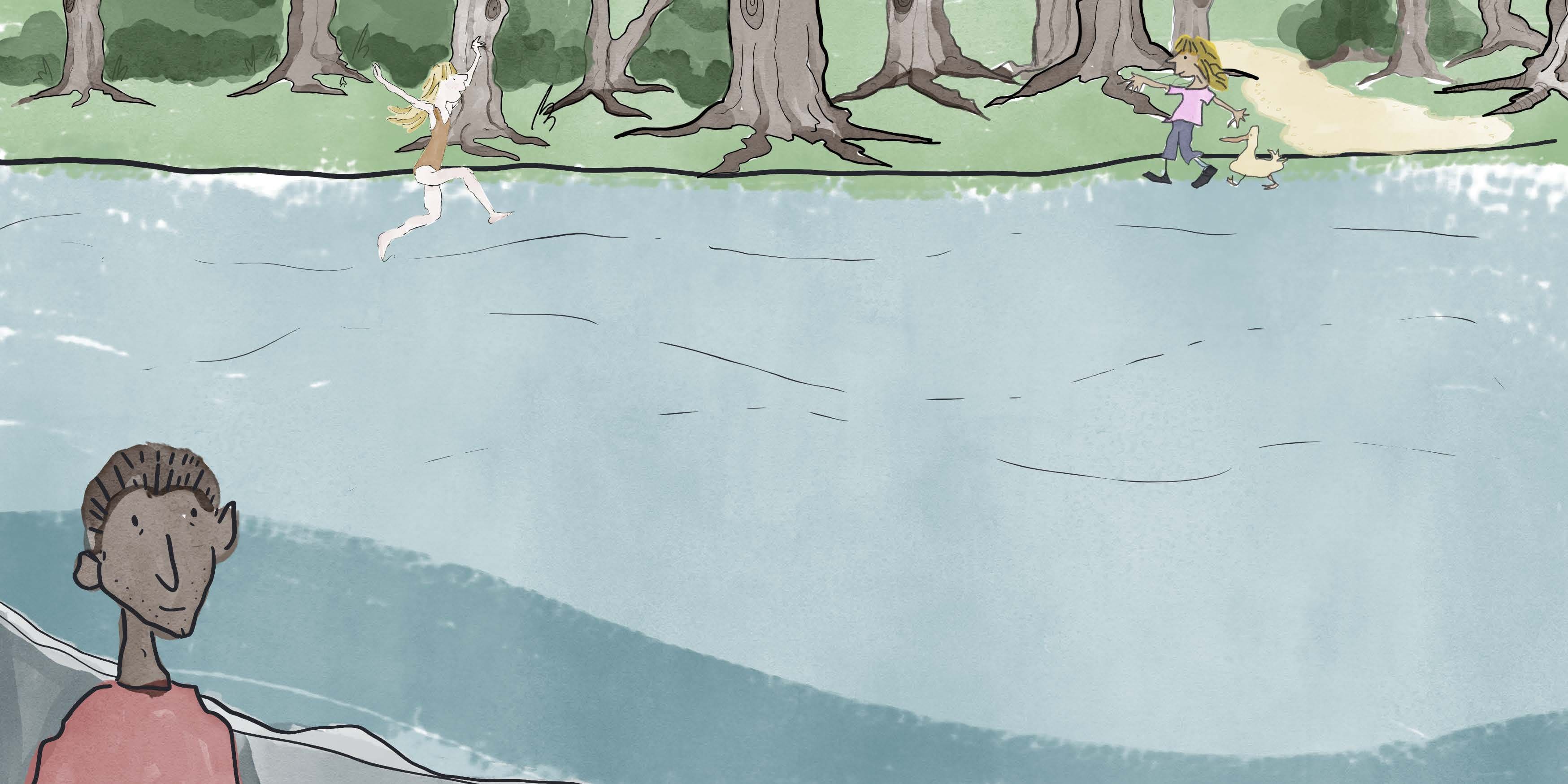
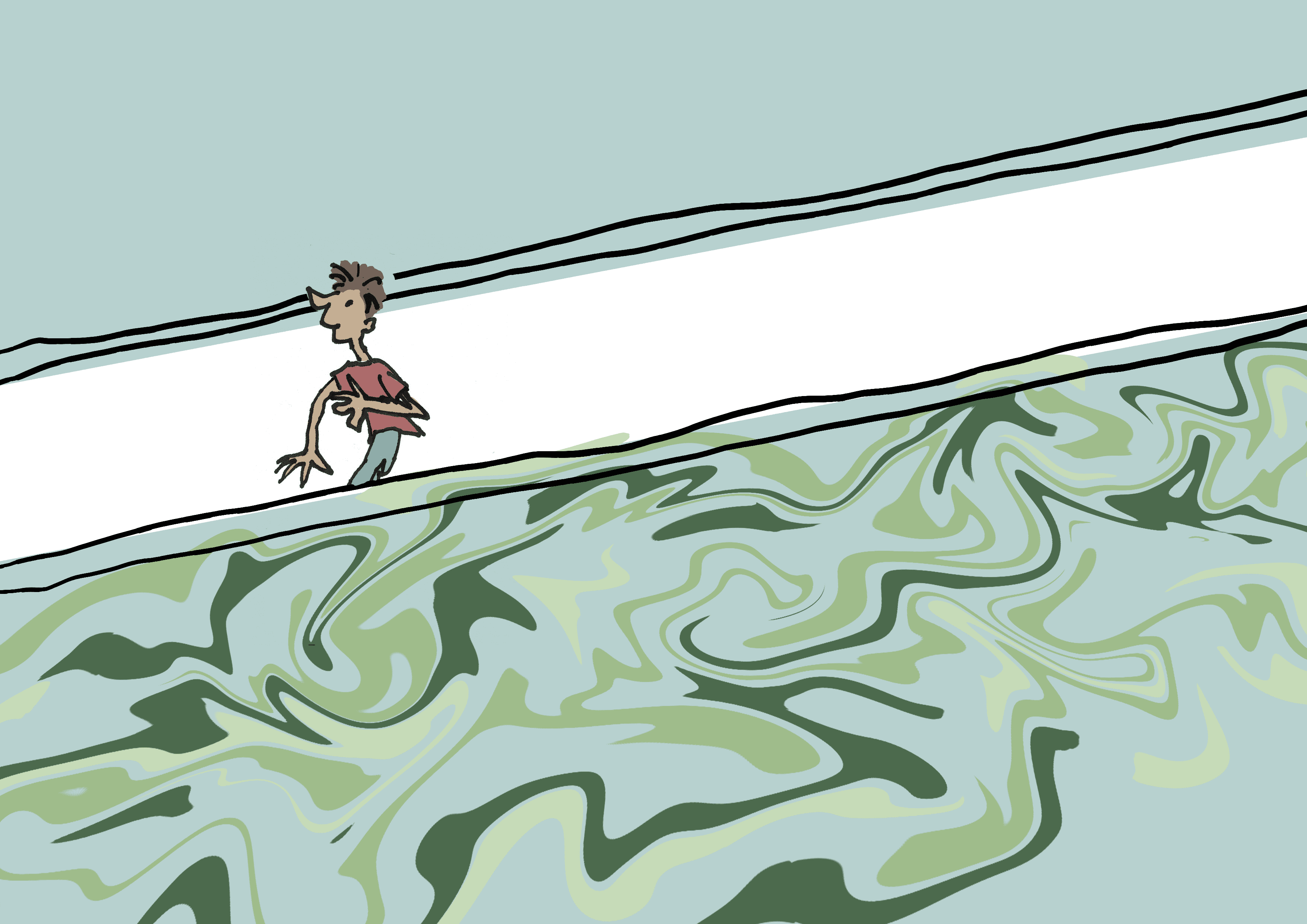
This project focused on the fundamental aspects of play, connectivity, and community spaces. By integrating ecological elements, creating passive and playful areas, establishing additional path networks, and involving the community, I aim to foster a welcoming and engaging environment that encourages play, facilitates connectivity, and supports a strong sense of community.The proposed masterplan addresses the current underutilisation and disjointedness of the site. The site will transform into a vibrant and diverse habitat, promoting biodiversity and a stronger connection with nature.
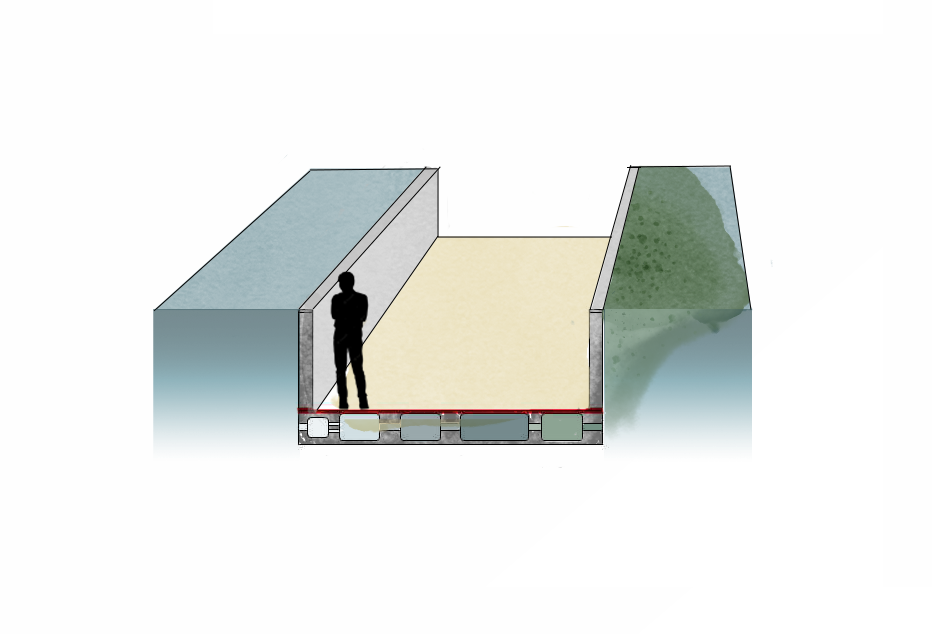
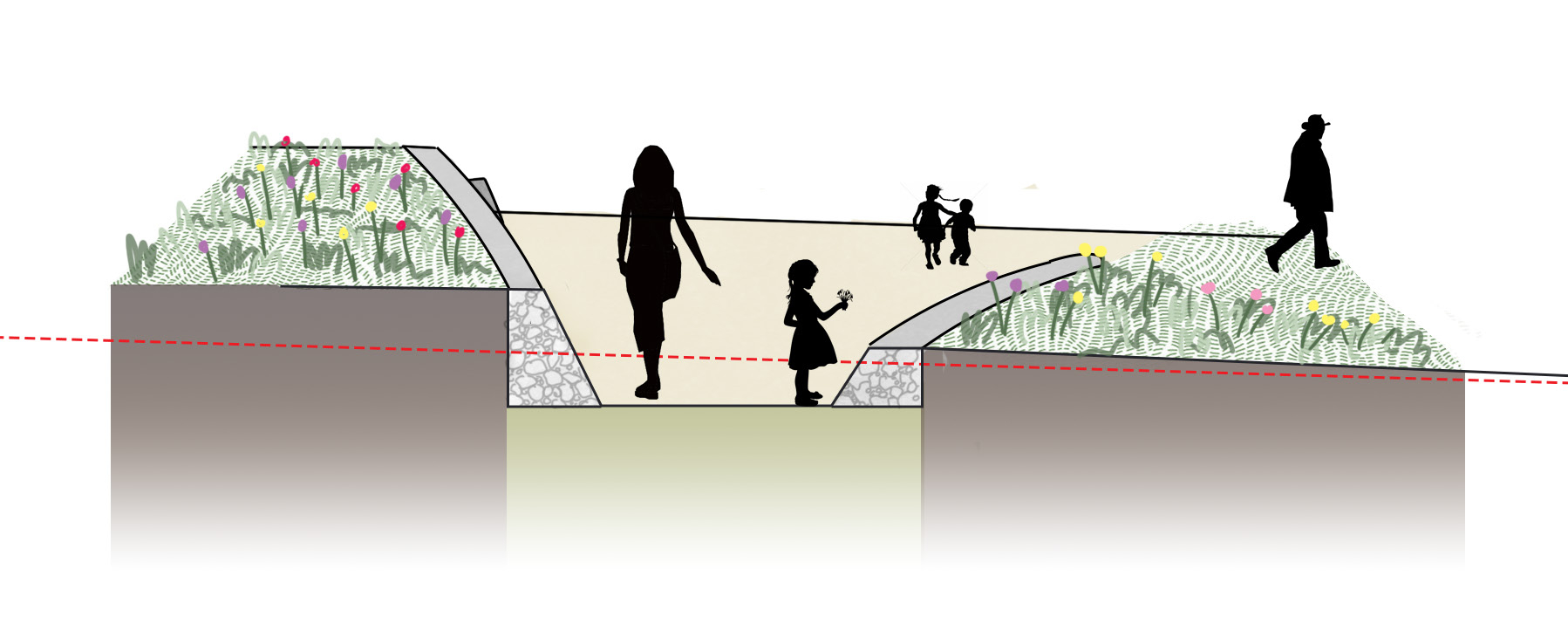
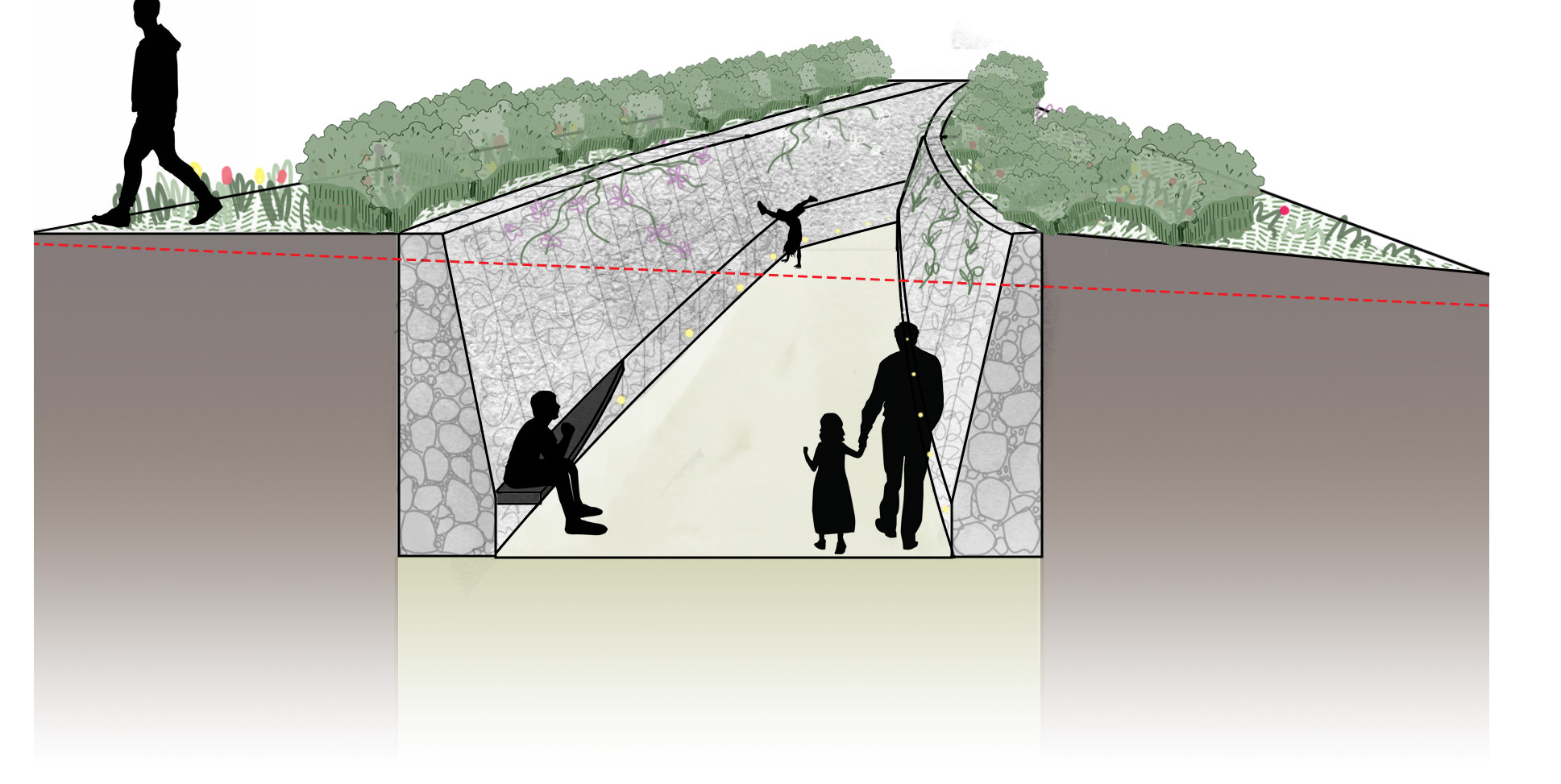
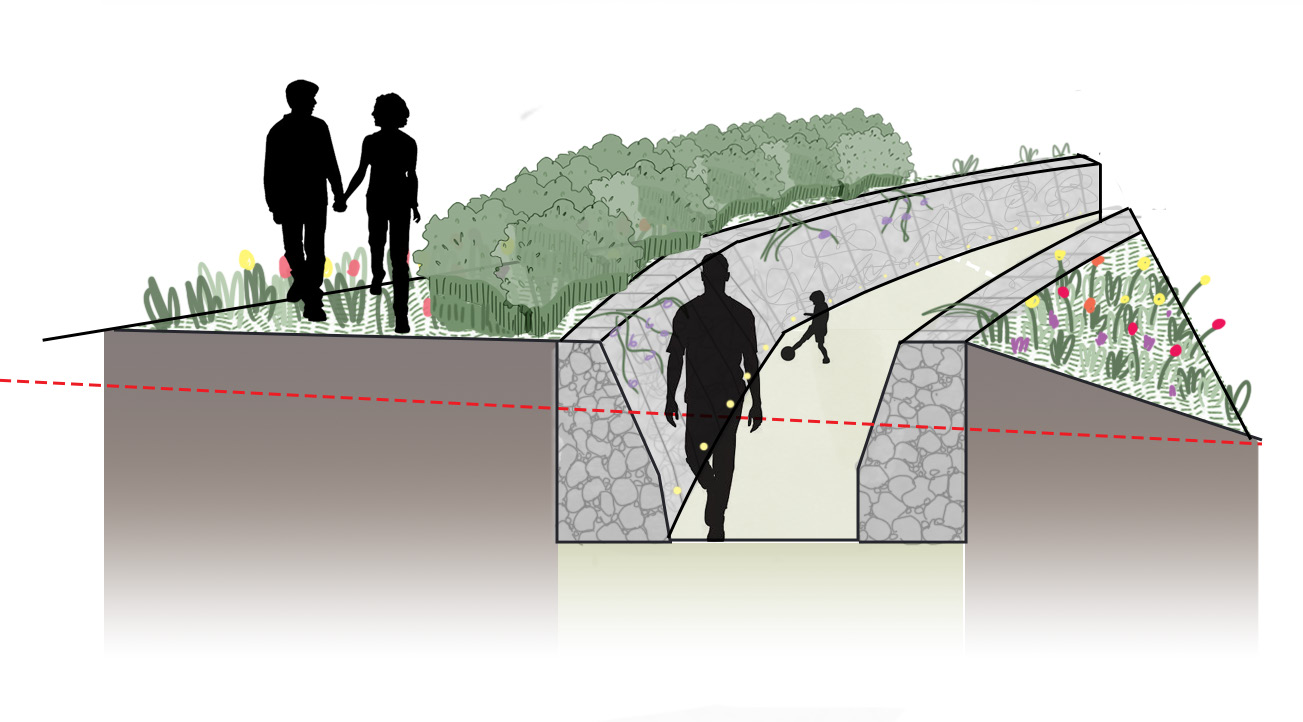
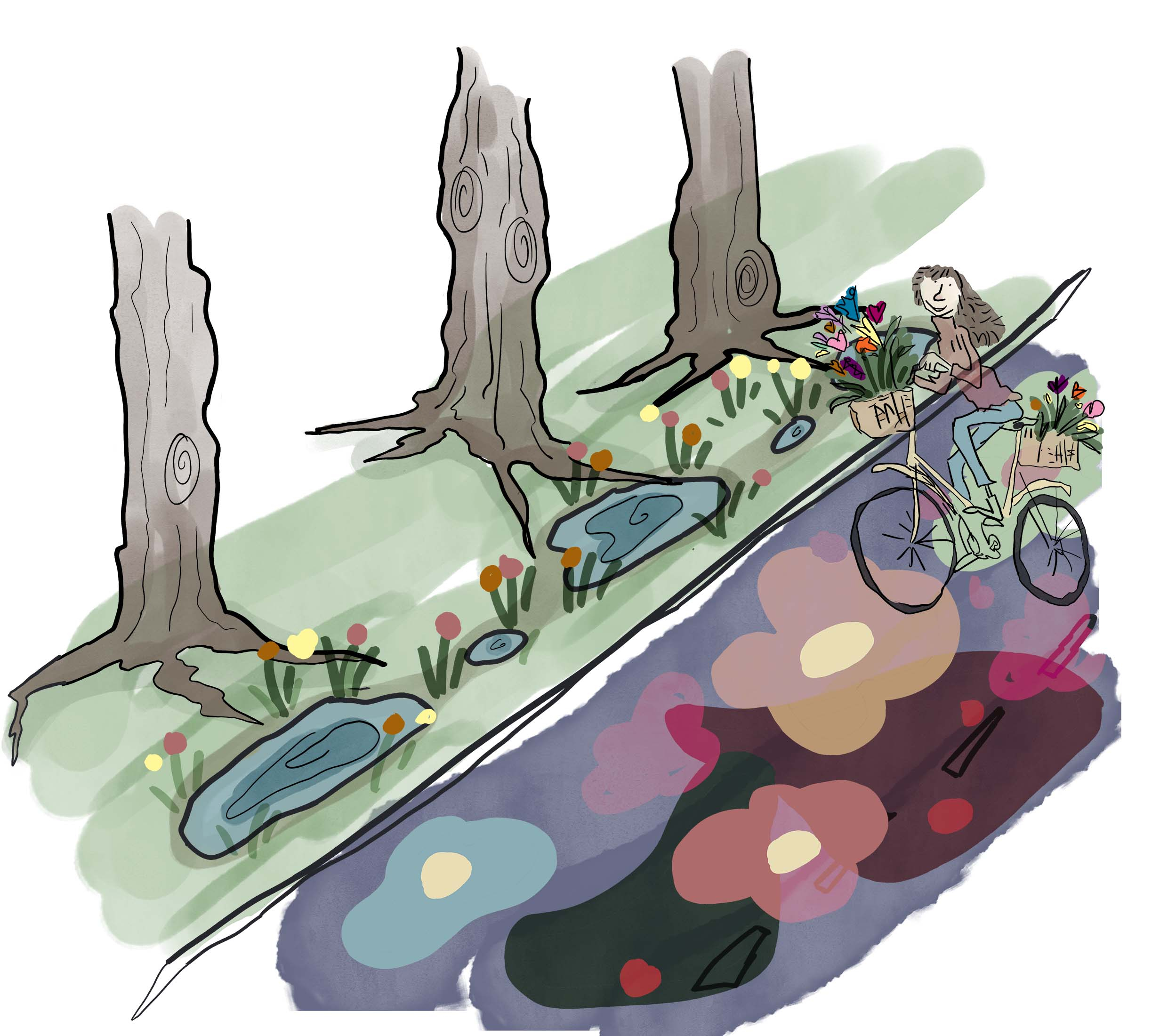
The design includes various features such as a sensory path, playful routes, a café area, and a bike lane, all aimed at enhancing the overall experience and promoting connectivity throughout the site. The bike path encourages sustainable transportation but also serves as a symbol of prioritising people over cars. Involving the community in creating a mural along the bike lane fosters a sense of ownership and celebration.
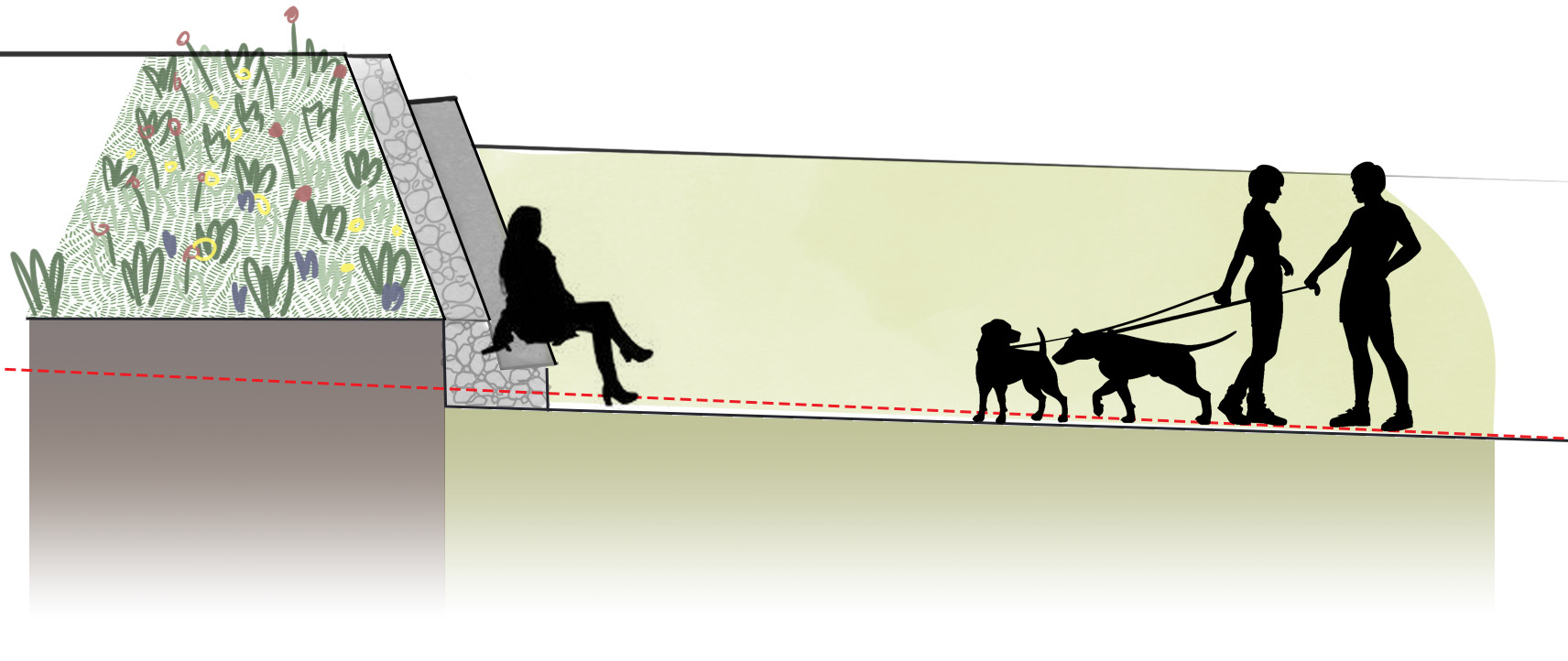
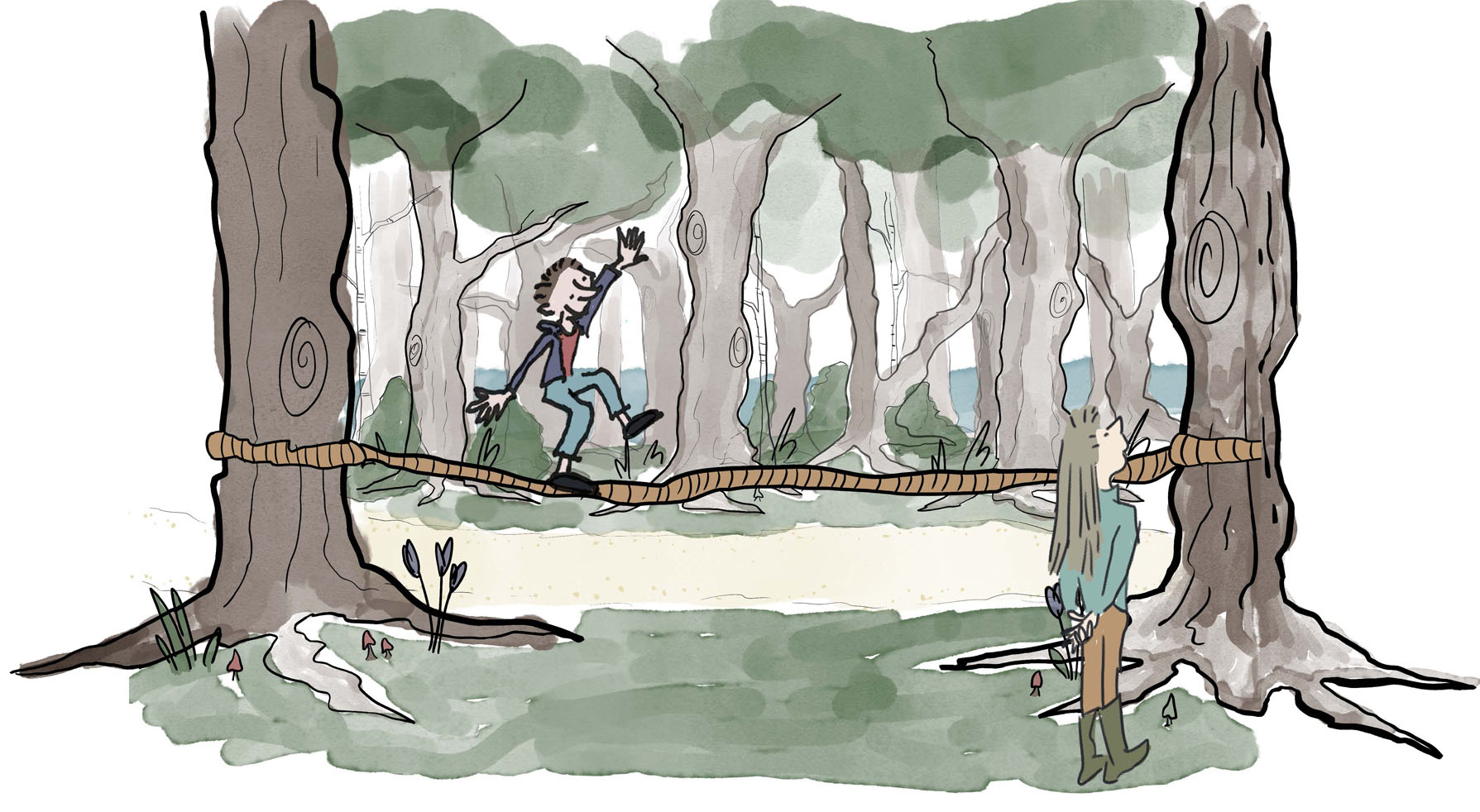
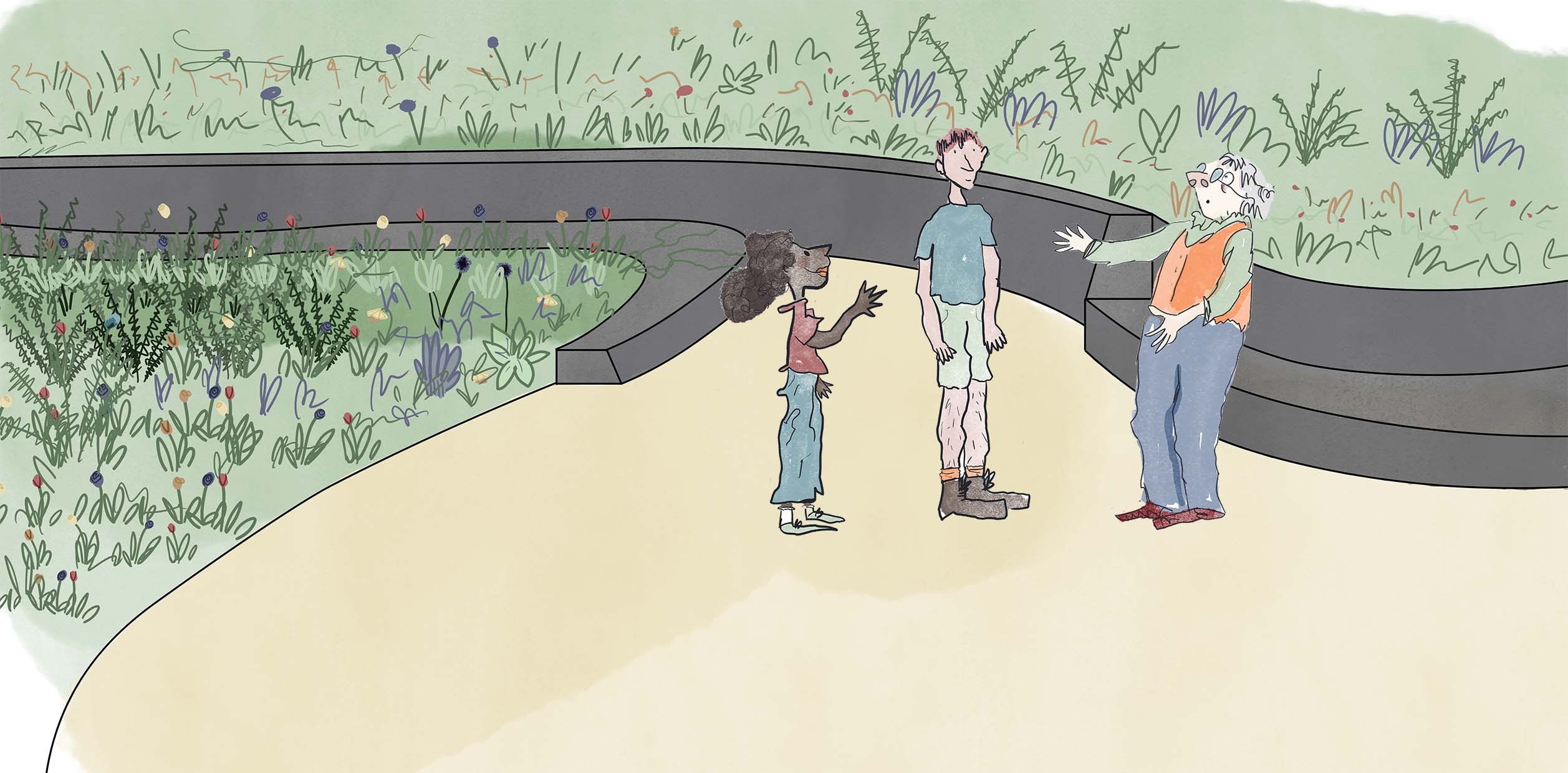
The proposed café area and the utilisation of recycled materials for play spaces contribute to the creation of community spaces. These spaces serve as hubs for social interaction, providing opportunities for individuals to gather, connect, and enjoy the natural surroundings. Ultimately, my project aims to create a dynamic and engaging park space that embraces the principles of play, connectivity, and community. By fostering a sense of adventure, promoting ecological diversity, and involving the community, the design strives to create a welcoming and inclusive environment for all.
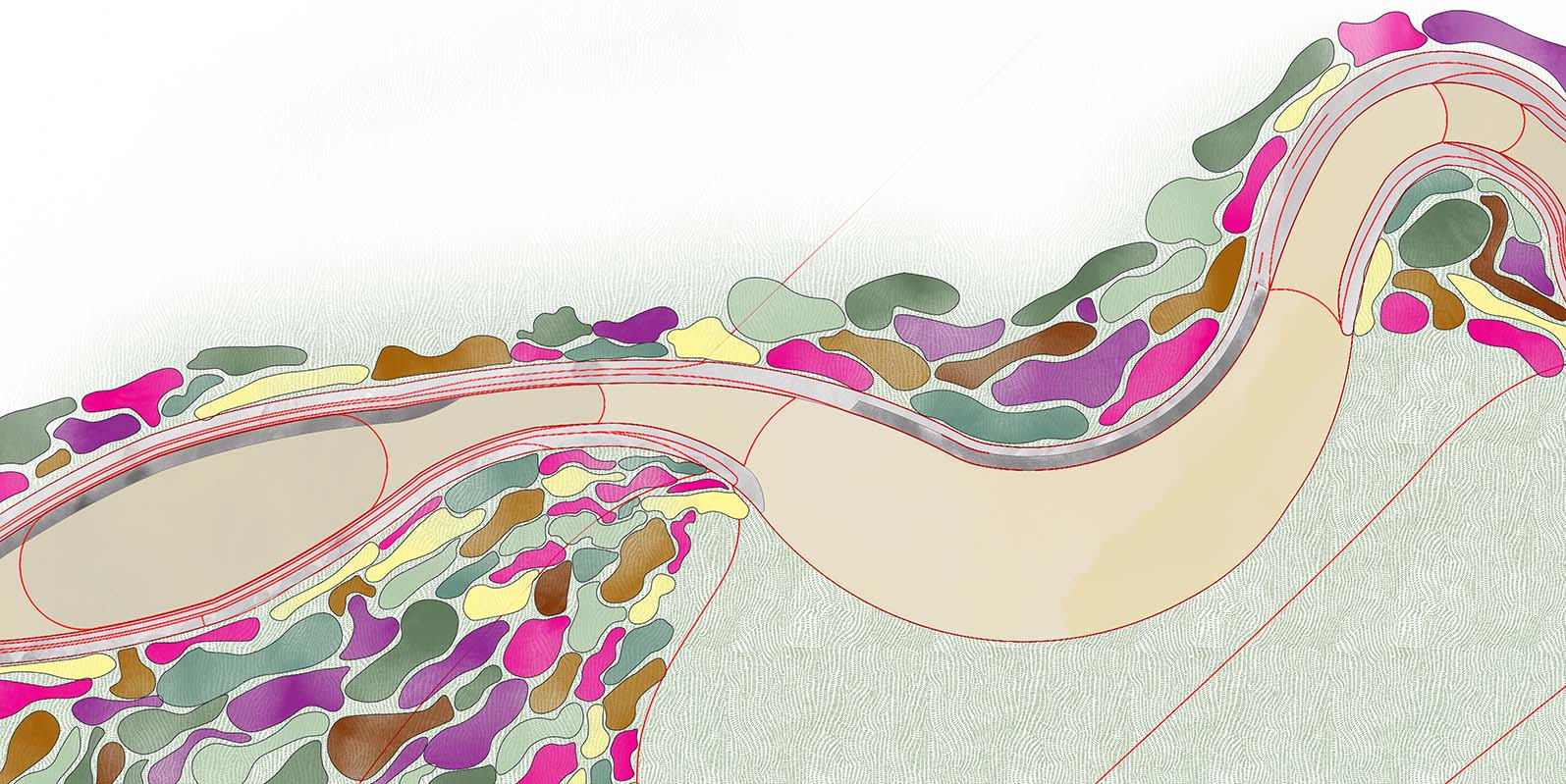
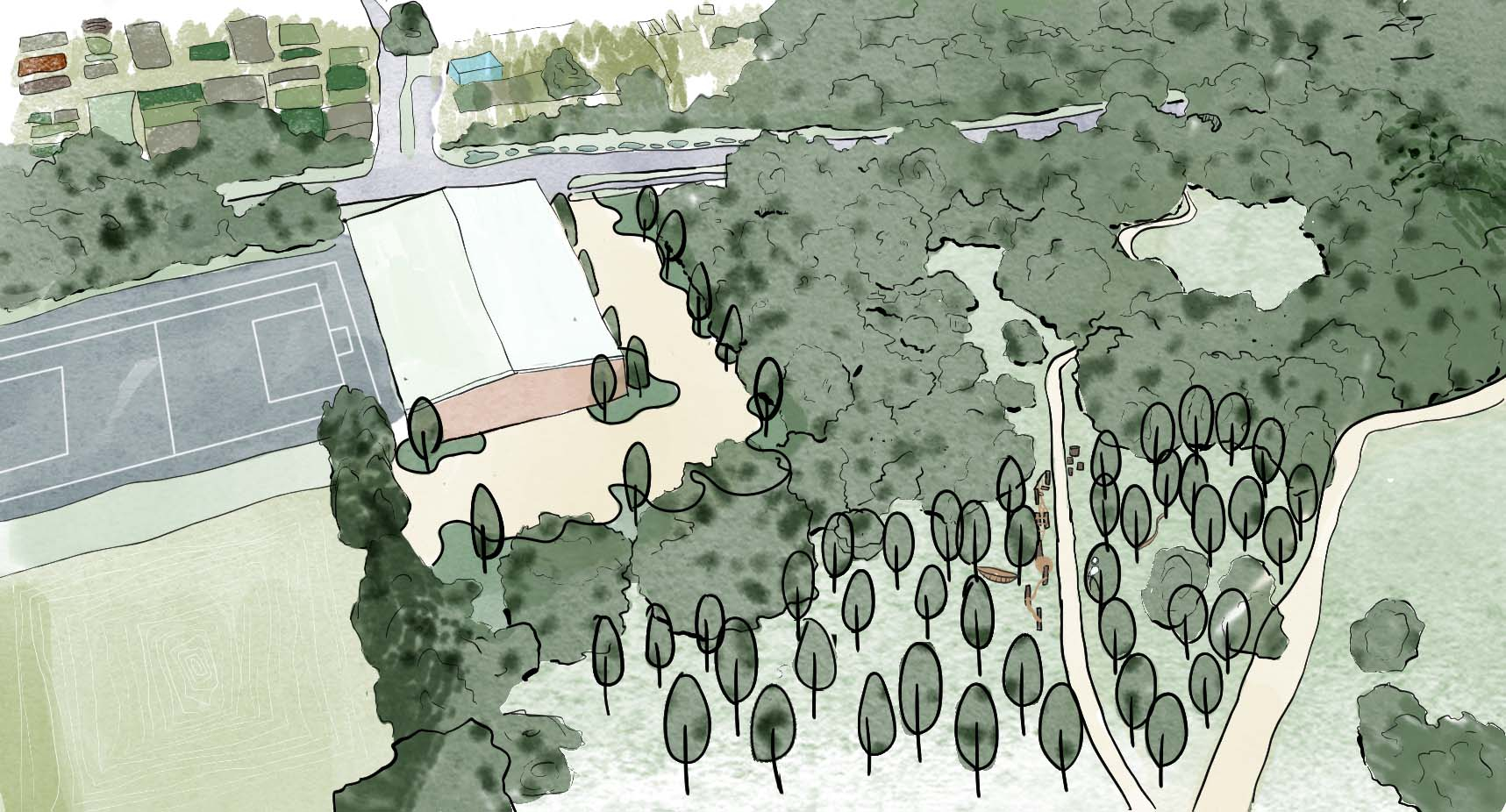
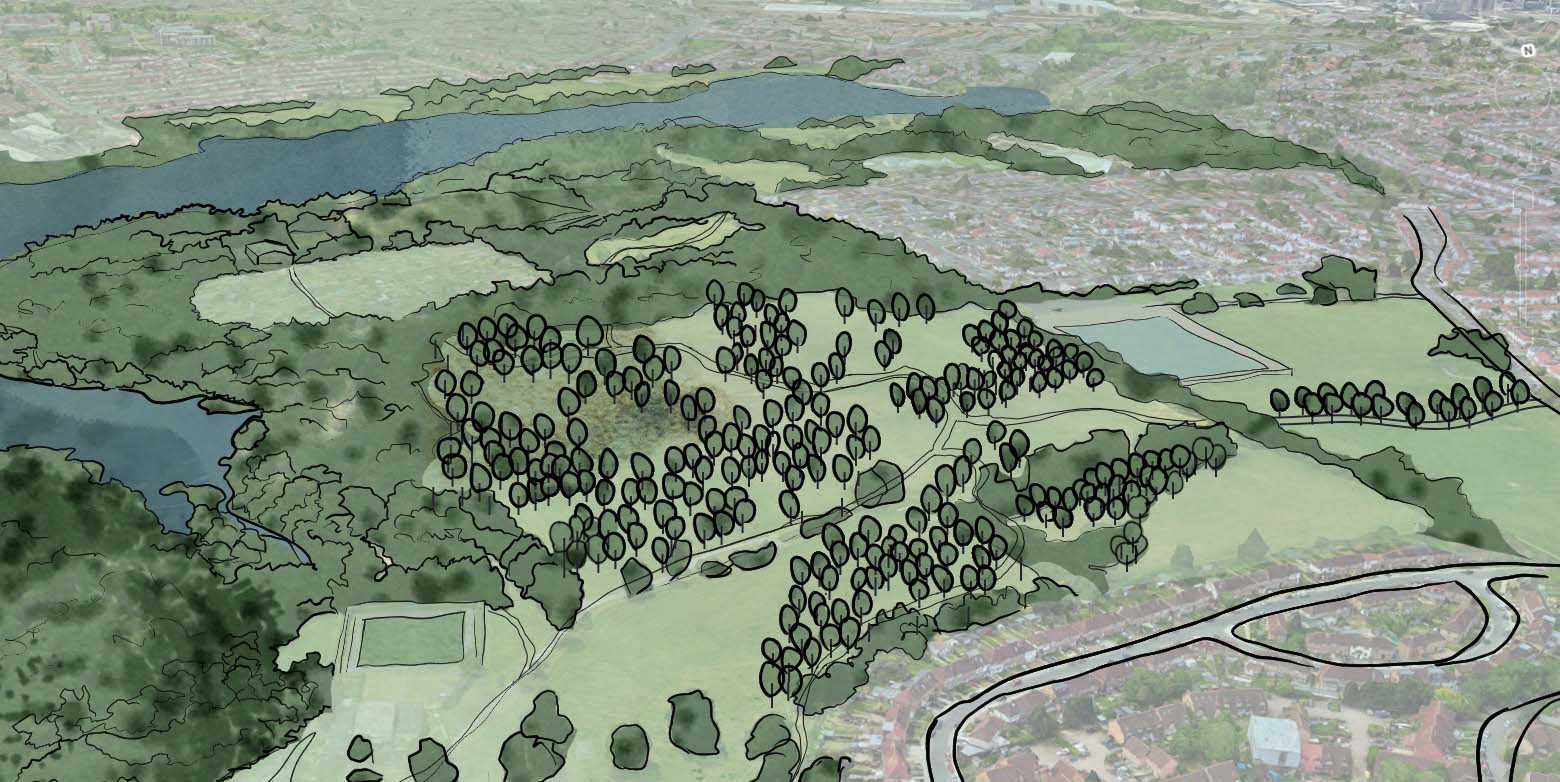
As part of my masterplan, I have introduced a significant increase in the number of trees on the site, indicated by the lighter and brighter green colour on the plan. The new woodland planting would replace the existing football pitches and promote a more diverse habitat by moving away from a monoculture. To enhance the existing woodland, I have proposed the development of the undergrowth to create a visually appealing ‘fairytale’ woodland with beautiful moss, mushrooms, and dense shrubs, promoting ecological diversity.
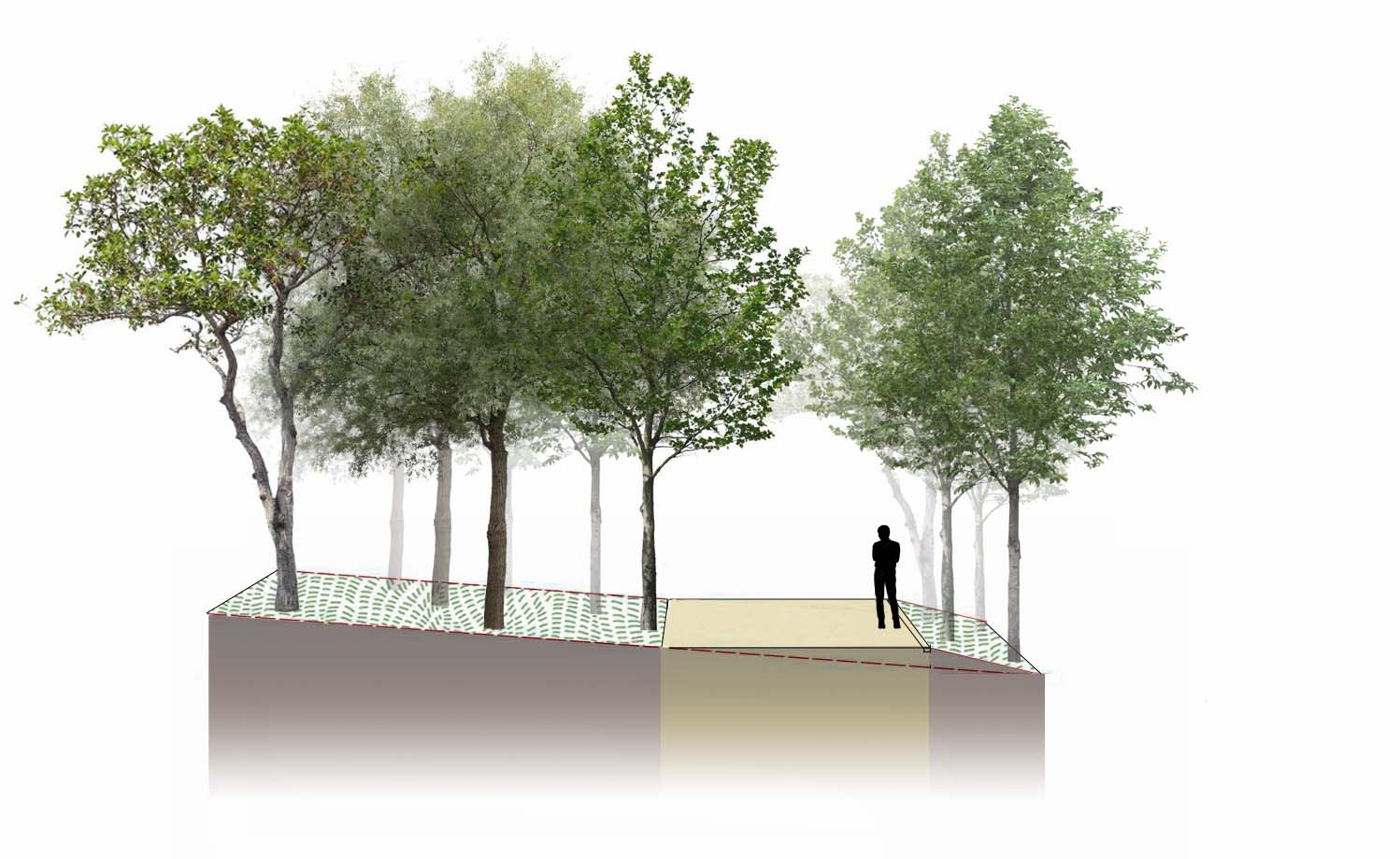
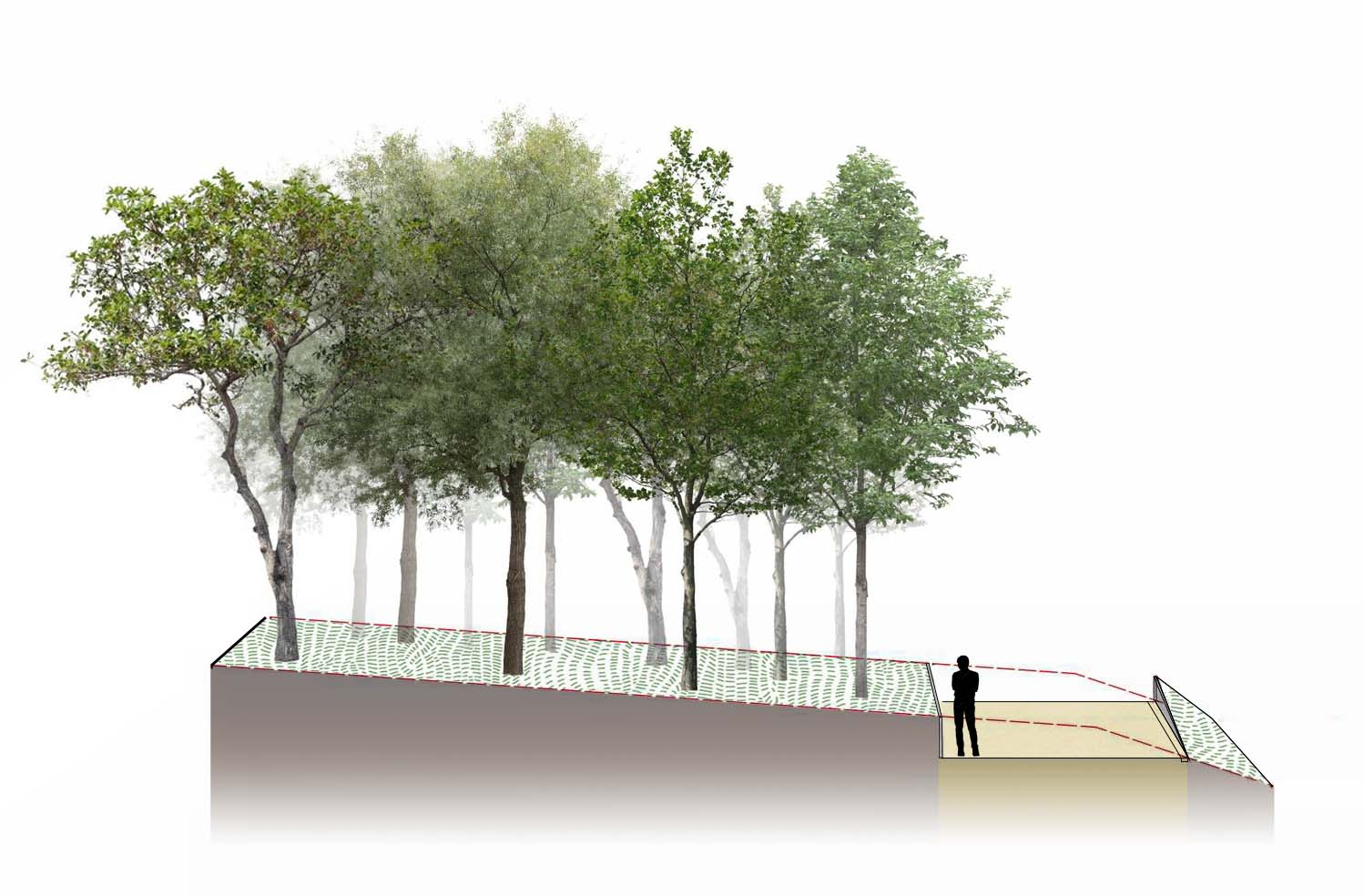
The masterplan also features large areas of meadow planting, which provide ample space for insects and bugs. The geometry of the trees has been altered slightly to create gaps that can be taken over by the community and make the space their own. These gaps also serve as a fire mitigation strategy.
Furthermore, the plan includes paths that lead into the water, with some running close to the SSSI bird area. These water paths offer people an opportunity to get closer to the birds and create a stronger connection with the water. Overall, my masterplan incorporates a range of measures that promote biodiversity, enhance ecological diversity alongside providing spaces for the community to engage with nature.
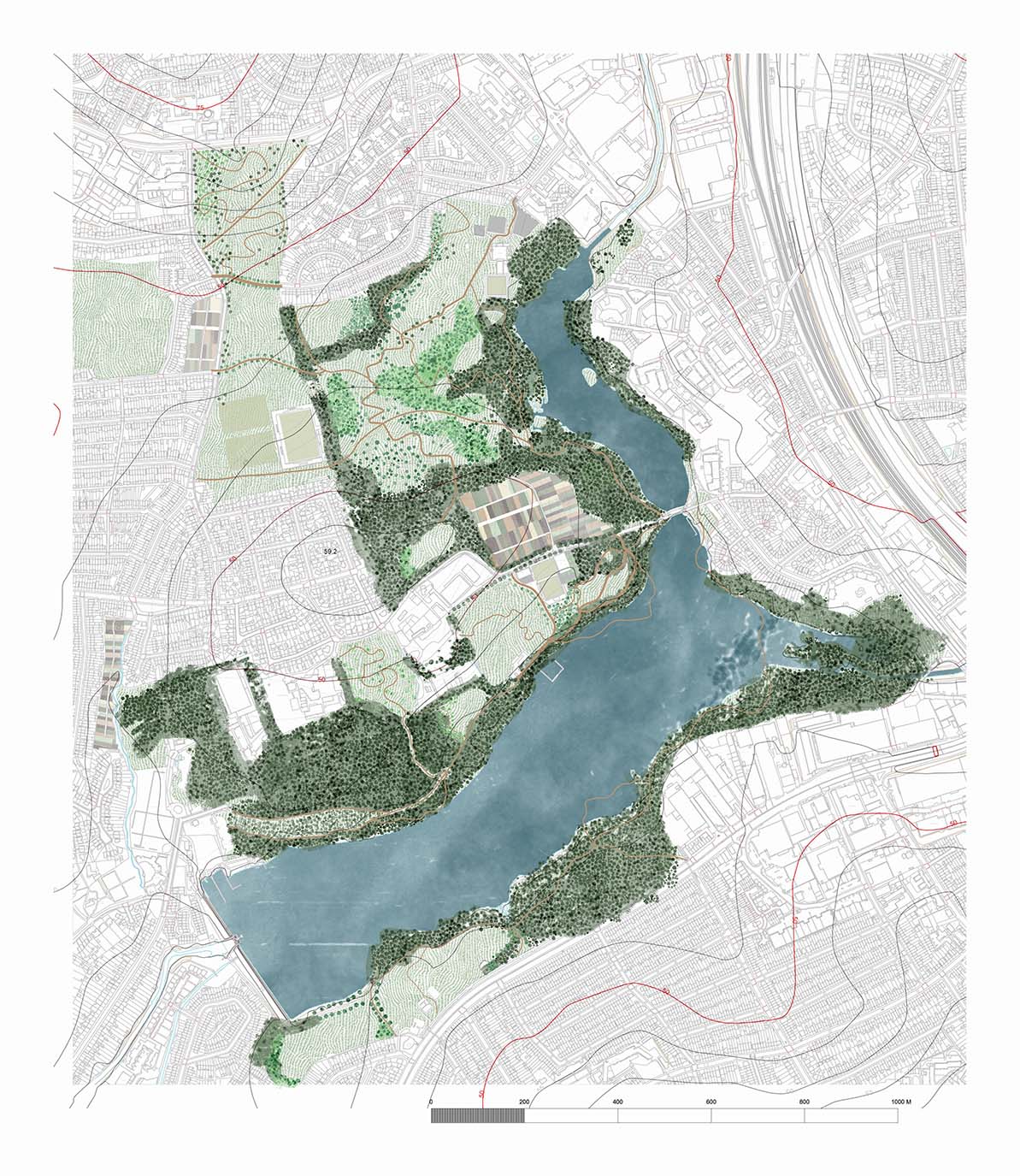
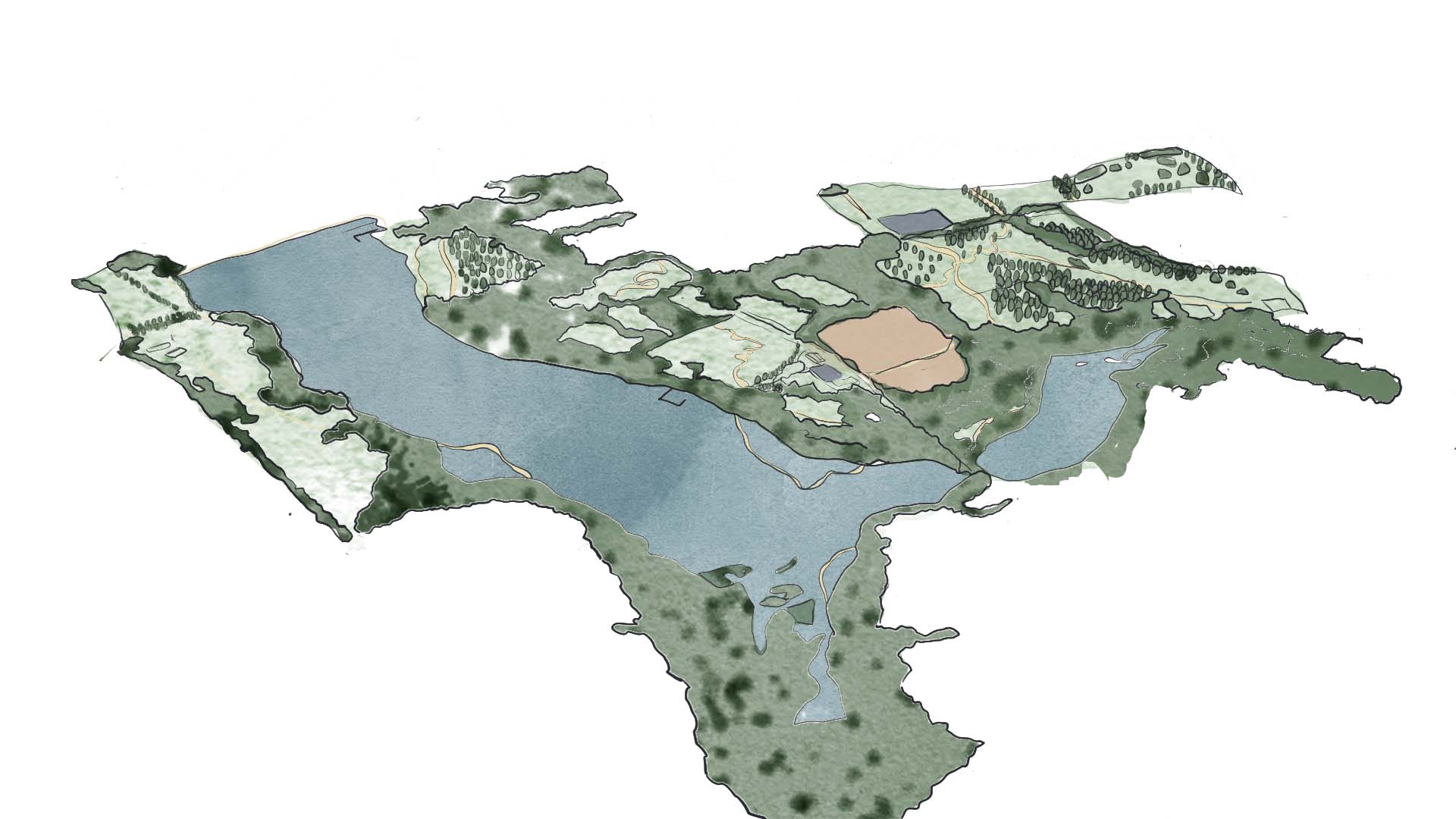
New tree planting and meadow planting can add both aesthetic and ecological benefits to the site. Trees can provide shade, help to absorb pollutants in the local area, and create habitats for wildlife. Meadow planting can provide a natural and wildlooking area, while supporting pollinators. A community hub space can be an important gathering place for people in the community, and can serve as a focal point for events, activities, and socialising. The Sensory path can add visual interest and a sense of movement to the site, while the water path can add a calming and soothing element.Overall, incorporating these different areas of interest
into my site plan can help to create a dynamic and engaging space that meets the needs and interests of the community as well as fitting into my fundamental objectives of the design; play, connectivity